

Table of Contents
Introduction
Effective studying is the key to academic success, yet many students struggle to find the right approach. In this article, we will explore ten tips on how to study effectively, addressing common challenges and providing practical strategies for improved learning outcomes.
How to Study Effectively: Key Tips for Success
1. Set Clear Goals:
How to Perform: Start by defining your short-term and long-term study goals. Break them down into manageable tasks. Regularly reassess and adjust your goals as needed.
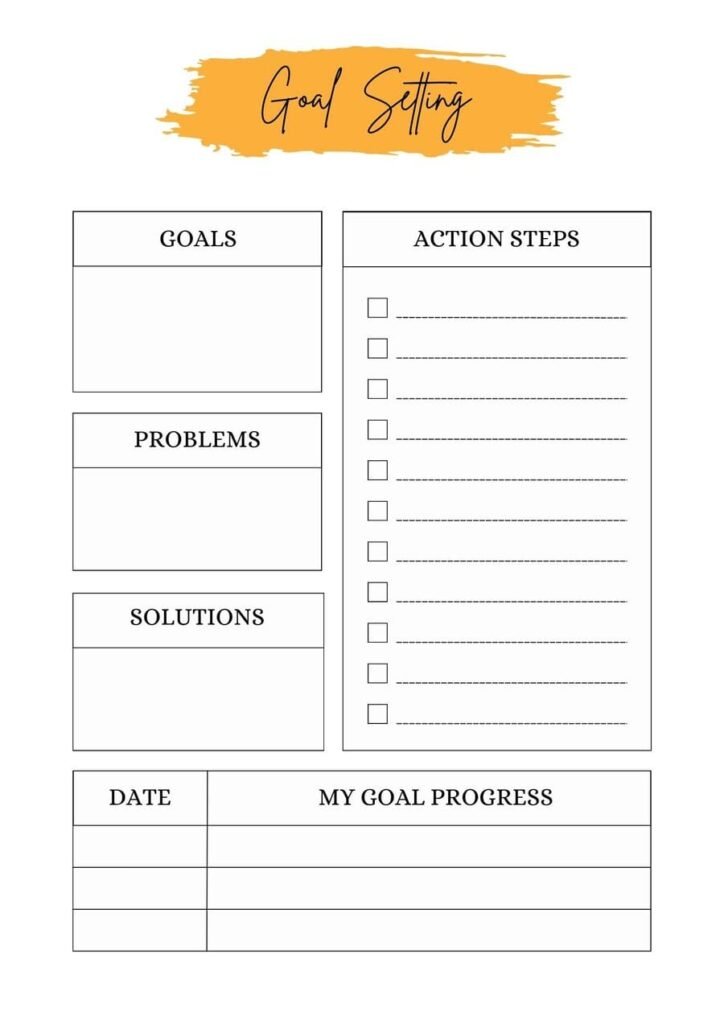
Benefit: Clear goals provide direction, motivation, and a sense of accomplishment. They help you prioritize tasks and stay on track.
2. Create a Study Schedule:
How to Perform: Develop a weekly study schedule that aligns with your daily routines. Set specific time blocks for each subject and commit to your schedule.
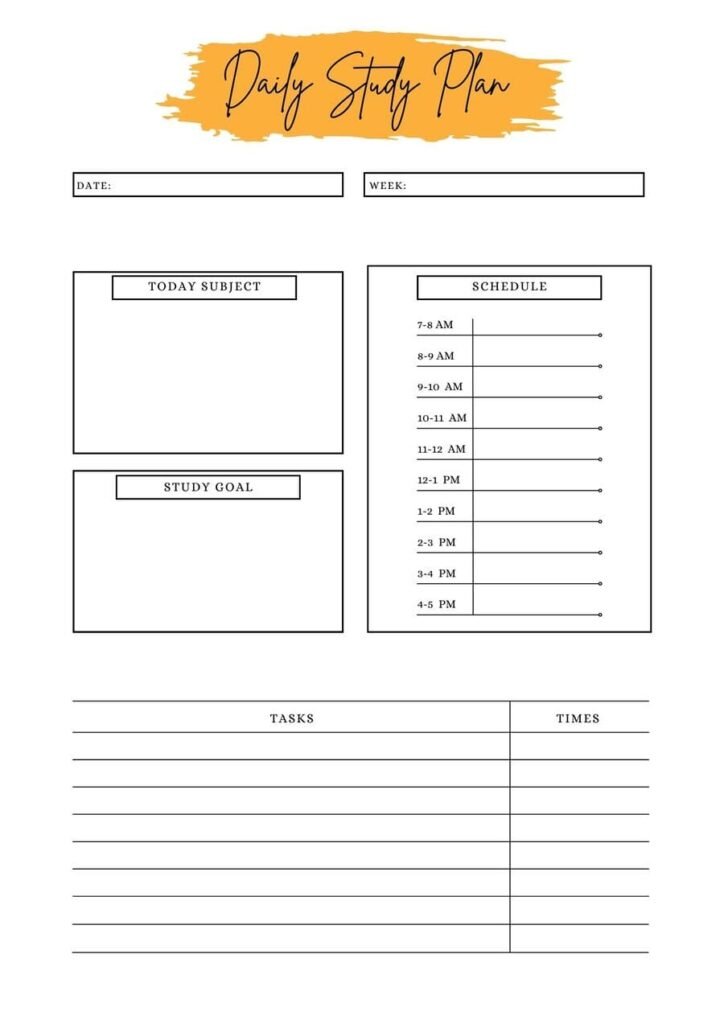
Benefit: A study schedule brings consistency, reduces procrastination, and ensures you allocate sufficient time to cover all subjects. It helps create a productive routine.
3. Organize Your Study Space:
How to Perform: Choose a quiet, well-lit space free from distractions. Keep all necessary materials, such as textbooks, notebooks, and stationery, organized and easily accessible.
Benefit: An organized study space minimizes distractions, enhances focus, and creates a conducive environment for learning.
4. Use Active Learning Techniques:
How to Perform: Take detailed notes, ask questions, and actively participate in discussions. Create flashcards, summaries, or diagrams to reinforce your understanding.

Benefit: Active learning promotes better retention and understanding of the material. It keeps you engaged and encourages critical thinking.
5. Take Regular Breaks:
How to Perform: Adopt the Pomodoro Technique – study for 25 minutes, then take a 5-minute break. After four cycles, take a longer break to recharge.
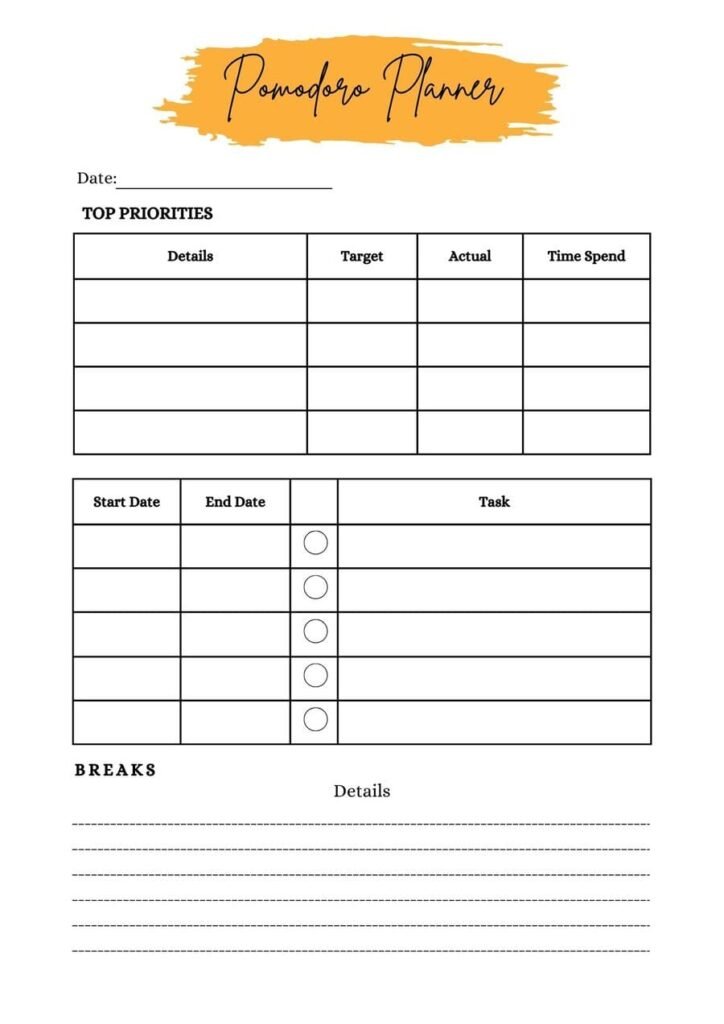
Benefit: Regular breaks prevent burnout, maintain focus, and improve overall productivity by allowing your brain to rest and rejuvenate.
6. Practice Regularly:
How to Perform: Solve problems, answer questions, and apply theoretical knowledge through practical exercises. Practice consistently to reinforce your learning.
Benefit: Regular practice strengthens your grasp on the material, builds confidence, and improves problem-solving skills.
7. Utilize Multiple Resources:
How to Perform: Combine textbooks, online resources, videos, and interactive tools to gain a holistic understanding of the subject. Experiment with various learning materials.
Benefit: Diverse resources cater to different learning styles, making it easier to grasp complex concepts. It provides a well-rounded perspective on the subject matter.
8. Stay Healthy:
How to Perform: Prioritize sufficient sleep, maintain a balanced diet, and incorporate regular exercise into your routine.
Benefit: A healthy lifestyle enhances cognitive function, improves concentration, and contributes to overall well-being, optimizing your ability to learn and retain information.
9. Seek Clarification:
How to Perform: Don’t hesitate to ask questions during class or seek additional resources if a concept is unclear. Engage with teachers, peers, or online forums.
Benefit: Clarification ensures a solid understanding of topics, preventing confusion and frustration. It promotes active learning and a deeper comprehension of the material.
10. Review and Reflect:
How to Perform: Regularly review class notes, textbooks, and additional materials. Reflect on what you’ve learned, identifying areas that require further attention.

Benefit: Regular reviews strengthen memory retention, reinforce understanding, and help you identify and address weak points in your knowledge.
Remember, these tips are not one-size-fits-all. Tailor them to your preferences and learning style to maximize their effectiveness. Consistency and dedication are key to reaping the full benefits of these study strategies.
Conclusion
In conclusion, effective studying is a skill that can be honed with the right strategies.
By setting clear goals, creating a study schedule, finding a suitable environment, and incorporating active learning, students can enhance their academic performance.
Remember to prioritize self-care and utilize technology wisely for a well-rounded approach to studying.
Frequently Asked Questions
What are 10 ways to make the most of your study time?
– Understand Your Learning Style
– Establish Order in Your Study Space
– Integrate Study Sessions into Your Routine
– Be Inquisitive and Seek Assistance
– Tackle Challenging Subjects Head-On
– Optimize Study Sessions and Embrace Breaks
– Allocate Time for Thorough Review
– Foster Group Study Sessions
– Set clear goals
– Prioritize a healthy lifestyle
What is the best study method?
Drawing on decades of research in the field of learning science, the two most proven and effective methods discovered to date are: Spaced practice or distributed practice—engaging in learning activities across multiple sessions spread out over different time intervals (such as revisiting a textbook chapter once every three days).
How can I focus 100% on studying?
– Minimize Distractions
– Set Clear Goals
– Use the Pomodoro Technique
– Prioritize Tasks
– Take Care of Your Health
– Limit Multitasking
– Stay Positive
– Utilize Technology Wisely
– Vary Your Study Techniques
– Reward Yourself