

Table of Contents
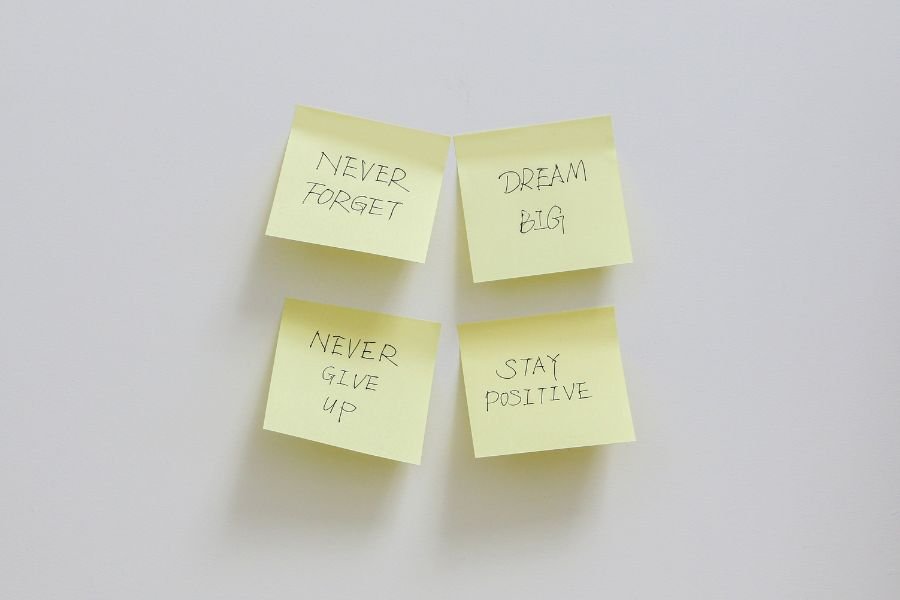
Introduction
Facing failure is a universal experience, but learning how to handle it can transform setbacks into stepping stones for success. Below are 10 practical tips to help you embrace failure, grow from it, and emerge stronger.
Understanding Failure
Failure is a universal experience. No matter how successful someone appears, they’ve faced setbacks and challenges that have shaped their journey. Failure is not a sign of weakness or incompetence; rather, it’s an opportunity for growth, learning, and eventual triumph.
Why Failure is a Part of Success
Failure isn’t the opposite of success; it’s an integral part of the process. Every setback presents an opportunity to assess your approach, understand what went wrong, and refine your strategy. Iconic figures like Thomas Edison and Oprah Winfrey experienced significant failures before achieving their success. Edison famously remarked, “I have not failed. I’ve just found 10,000 ways that won’t work.” This mindset underscores that persistence, resilience, and adaptability are often more critical than innate talent or luck.
Key Lessons Failure Teaches:
Resilience: Building emotional strength to persevere through difficulties.
Growth Mindset: Viewing challenges as opportunities rather than obstacles.
Strategic Thinking: Analyzing mistakes to avoid repeating them.
The Psychology of Failure: How it Affects You
Failure can trigger intense emotions like disappointment, frustration, or even shame. These feelings are natural and part of the human experience. However, how you respond to these emotions determines your ability to bounce back.
Common Emotional Responses:
- Self-Doubt: Questioning your abilities and potential.
- Fear of Judgement: Worrying about how others perceive your failure.
- Hopelessness: Feeling overwhelmed and tempted to give up.
Strategies to Regain Balance:
Seek Perspective: Reflect on the bigger picture and remember that one failure doesn’t define your entire journey.
Acknowledge Your Emotions: Suppressing negative feelings can amplify them. Instead, allow yourself to process the emotions.
Practice Self-Compassion: Treat yourself with kindness, just as you would a friend facing similar struggles.
Common Misconceptions About Failure
Misconception 1: “Failure Means I’m Not Good Enough.”
Many people equate failure with personal inadequacy. However, failure often results from external factors, misjudgments, or unexpected circumstances—not a lack of worth.
Reality: Success often comes from persistence, not perfection.
Misconception 2: “Failure Is Permanent.”
Some people see failure as a dead end rather than a detour. This mindset can lead to giving up too soon.
Reality: Every failure is a temporary setback. History is full of stories where setbacks turned into comebacks.
Misconception 3: “Others Don’t Fail.”
Social media often highlights successes and downplays struggles, creating the illusion that others achieve success without setbacks.
Reality: Everyone faces failure, even if it’s not visible. It’s a universal human experience.
How to Face Failure
10 Practical Tips to Face Failure with Resilience:
1. Accept Failure as a Learning Opportunity
Acknowledging that failure happens allows you to see it as a teacher. Reflect on what went wrong and how you can improve.
- Self-awareness tip: Ask yourself, “What could I do differently next time?”
- Reframing: View failure as feedback, not a verdict.
2. Practice Emotional Resilience
Building emotional strength helps you process failure constructively.
- Techniques: Journaling, mindfulness, or talking with a trusted friend.
- Remember: It’s okay to feel disappointed, but don’t let it define you.
3. Analyze the Root Cause
Understanding why you failed provides clarity and direction.
- Questions to ask: Was it a lack of preparation, unrealistic expectations, or external factors?
- Tools: SWOT analysis or brainstorming solutions.
4. Seek Constructive Feedback
Feedback is invaluable, but only if you know how to filter it.
- Find mentors: They can provide an objective perspective.
- Separate helpful advice: Distinguish between supportive and overly critical comments.
5. Set Realistic Goals Post-Failure
Rebuilding confidence starts with setting achievable targets.
- Start small: Break goals into manageable milestones.
- Stay flexible: Adjust plans as needed without losing sight of your vision.
6. Surround Yourself with Supportive People
Lean on friends, family, or colleagues who encourage you.
- Positive influence: A strong support system can uplift you during tough times.
- Build a network: Join groups or communities with like-minded individuals.
7. Cultivate a Growth Mindset
Adopt the belief that abilities and intelligence can improve with effort.
- Exercises: Practice gratitude and remind yourself of past successes. And try to develop a self-confidence
- Embrace challenges: Instead of avoiding difficult tasks, see them as chances to learn something new or improve existing skills.
8. Focus on Your Strengths
Identify what you excel at and leverage it.
- Assessment tools: Personality tests or professional feedback.
- Use strengths as a foundation to address weaknesses.
9. Take Proactive Steps Toward Improvement
Action beats stagnation after failure.
- Habits to build: Time management, regular skill upgrades, and staying organized.
- Proactive mindset: Treat failure as a call to action.
10. Celebrate Small Wins
Recognize even minor achievements to maintain motivation.
- Why it matters: Celebrations reinforce positive behaviors and keep you moving forward.
- Examples: Reward yourself with a treat, share your progress with others, or reflect on your journey.
Inspiring Stories of Triumph Over Failure
History is filled with examples of individuals who overcame failures to achieve greatness, such as:
- Thomas Edison: Failed thousands of times before inventing the lightbulb.
- J.K. Rowling: Rejected by multiple publishers before Harry Potter became a sensation.
These stories highlight the value of persistence and learning from failure.
The Long-Term Benefits of Facing Failure
| Benefit | Description | Example/Outcome |
|---|
| Emotional Resilience | Teaches how to manage adversity and regulate emotions effectively. | Athletes learn to handle losses, improving focus and performance under pressure. |
| Problem-Solving Skills | Helps identify weaknesses and develop critical thinking strategies. | Entrepreneurs refine business models after analyzing failed ventures. |
| Creativity and Innovation | Encourages unconventional thinking and experimentation. | The invention of Post-it Notes resulted from a failed adhesive project. |
| Humility and Empathy | Fosters self-awareness and compassion for others facing setbacks. | Leaders who have failed connect better with teams and inspire through authenticity. |
| Determination and Grit | Builds persistence and reduces fear of failure, encouraging calculated risk-taking. | Writers like Stephen King persisted after multiple rejections to achieve fame. |
| Valuable Insights for Success | Provides unique lessons on what works and what doesn’t, refining future strategies. | Tech innovators improve products by learning from prototype failures. |
| Balanced Perspective | Develops appreciation for the process and balance between ambition and gratitude. | Philanthropists shift focus to meaningful contributions after business setbacks. |
| Enhanced Reputation | Demonstrates integrity and resilience, earning respect from peers and observers. | Abraham Lincoln’s perseverance through repeated failures bolstered his legacy. |
| Lifelong Learning | Encourages continuous skill improvement and adaptability to changing environments. | Professionals upskill after failures to remain competitive in evolving industries. |
| Legacy of Resilience | Inspires others through personal stories of overcoming failure, fostering cultural shifts. | Elon Musk’s recovery from failures at Tesla and SpaceX inspires innovation and determination. |

FAQ’s
How to Restart Life After Failure?
Acknowledge Your Feelings: Allow yourself to feel disappointment or sadness but avoid dwelling on them.
Reflect and Learn: Identify the reasons for the failure and extract valuable lessons to guide your next steps.
Set New Goals: Focus on creating actionable, realistic goals that align with your growth and aspirations.
Take Small Steps: Rebuild confidence by achieving small wins daily.
Seek Support: Share your journey with trusted friends, mentors, or a support group.
Stay Positive: Practice gratitude and remind yourself of past successes.1
Why Can’t I Accept Failure?
Fear of Judgment: You may worry about how others perceive your failure.
Perfectionism: Unrealistic expectations make any mistake feel catastrophic.
Self-Worth Tied to Success: You might equate failure with personal inadequacy.
Lack of Perspective: Focusing on short-term losses instead of the bigger picture can make failure seem unbearable.
Cultural or Personal Beliefs: Some people are raised to see failure as shameful rather than an opportunity to grow.
How to Handle Fear of Failure?
Redefine Failure: View it as a stepping stone to improvement, not an endpoint.
Prepare and Plan: Develop a contingency plan to minimize potential risks.
Focus on Growth: Remind yourself that each attempt builds resilience and skills.
Embrace Uncertainty: Accept that not everything is within your control.
Use Visualization: Imagine yourself succeeding to build confidence and reduce anxiety.
Seek Inspiration: Read stories of people who turned failures into successes.
Why Does Failure Hurt So Much?
Emotional Attachment: You may have invested significant time, energy, or emotions into your goals.
Ego Bruising: Failure can challenge your self-esteem and confidence.
Fear of Future Failure: Experiencing failure might make you hesitant to try again.
Social Comparison: Seeing others succeed while you face setbacks can amplify feelings of inadequacy.
Unrealistic Expectations: Believing success should come easily can make failure more painful.
Conclusion
Facing failure head-on can transform your life in ways success alone cannot. It builds resilience, fosters creativity, and paves the way for meaningful growth. Over time, failure shapes a well-rounded, adaptable, and determined individual, ready to tackle life’s biggest challenges with grace and grit. By embracing failure, you don’t just overcome setbacks—you unlock your true potential.
If you’re looking for more powerful tips on Self-development, be sure to check out this article “ 10 Tips to Set Goals and Achieve Them: A Comprehensive Guide ”