
Table of Contents
Introduction to Decluttering
Decluttering is more than just tidying up—it’s a transformative process that clears your physical space while positively impacting your mental well-being. By choosing what to keep and letting go of the unnecessary, you create an environment that supports your goals, reduces stress, and fosters productivity. It’s a mindful approach to living intentionally, focusing on quality over quantity.
The Psychology Behind Clutter
Clutter often represents emotional roadblocks. Whether it’s guilt over wasted money, sentimental attachment, or the fear of letting go, these emotions can make the process overwhelming. To overcome these barriers, reframe your mindset: view decluttering as an opportunity to honor the past while making room for the future. Start small to build momentum and confidence.
Benefits of Decluttering
Decluttering offers transformative benefits that extend beyond your physical environment. Below is a detailed table of how decluttering positively impacts various aspects of life:
| Category | Benefit | Explanation |
|---|---|---|
| Mental Health | Reduced Stress | A tidy space eliminates visual distractions, promoting a sense of calm and relaxation. |
| Improved Focus | A clutter-free environment allows for better concentration and clearer thinking. | |
| Boosted Mental Clarity | Simplifying your surroundings helps declutter your mind, leading to better decision-making. | |
| Productivity | Increased Efficiency | Organized spaces make it easier to locate items, saving time and energy. |
| Enhanced Motivation | A clean environment encourages a proactive approach to tasks and goals. | |
| Improved Time Management | Decluttering systems reduce the time spent searching for misplaced items. | |
| Emotional Well-Being | Greater Sense of Control | Taking charge of your space fosters feelings of accomplishment and empowerment. |
| Reduced Feelings of Guilt | Letting go of unused items relieves the emotional burden of holding onto unnecessary possessions. | |
| Physical Health | Cleaner Living Conditions | Decluttering helps maintain a hygienic environment, reducing allergens and dust. |
| Encouragement for Physical Activity | Sorting and organizing often involve movement, promoting light physical exercise. | |
| Financial Benefits | Savings on Purchases | Identifying what you already own prevents unnecessary spending. |
| Opportunity for Extra Income | Selling unused items can generate additional money. | |
| Mindful Spending Habits | Living with less cultivates intentional purchasing decisions. | |
| Social Relationships | Improved Hospitality | A decluttered home is more inviting and comfortable for guests. |
| Strengthened Family Bonds | Collaborating on decluttering projects can improve communication and teamwork within the household. | |
| Easier Maintenance | Minimal belongings simplify cleaning routines, leaving more time for family and social activities. | |
| Personal Growth | Enhanced Self-Awareness | Decluttering requires reflection on your values and priorities. |
| Development of Mindfulness | Living with less encourages gratitude and contentment. | |
| Increased Confidence | Successfully decluttering boosts self-esteem and trust in your decision-making abilities. | |
| Environmental Impact | Reduced Waste | Donating or recycling items decreases landfill contributions. |
| Promotes Sustainable Living | Emphasizing quality over quantity supports eco-friendly practices. |
5 Powerful steps to declutter effectively
1. Preparing for Decluttering
Before diving into the decluttering process, it’s essential to set yourself up for success. Proper preparation ensures that the task is manageable and leads to lasting results. Below is a table outlining the key steps for effective preparation:
| Step | Details |
| Set Clear Goals | – Define your purpose: Create space, reduce stress, or simplify your lifestyle. |
| – Identify specific areas to tackle (e.g., kitchen, bedroom, garage). | |
| – Break large goals into smaller, actionable tasks. | |
| Create a Plan | – Prioritize areas based on clutter level or importance. |
| – Schedule decluttering sessions on your calendar to stay committed. | |
| – Set realistic timeframes to avoid burnout. | |
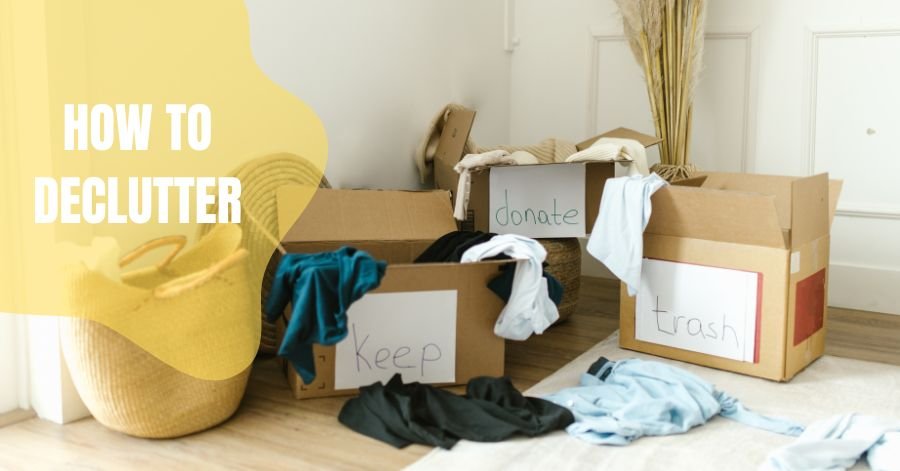
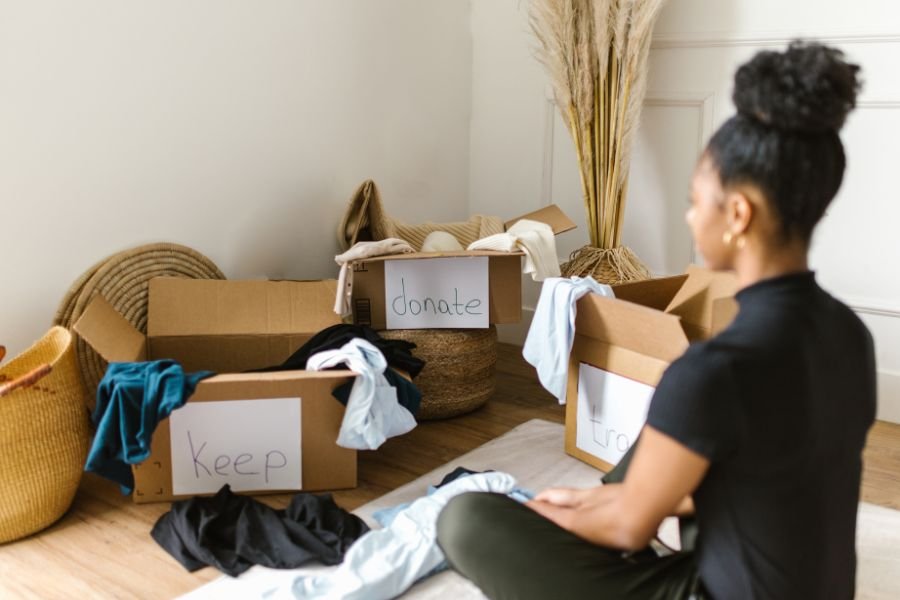
| Gather Supplies | – Use boxes labeled “Keep,” “Donate,” “Trash,” and “Relocate.” |
| – Have sturdy trash bags for discarded items. | |
| – Keep cleaning supplies (e.g., cloths, gloves) handy to clean as you declutter. | |
| – Use labels and markers for effective categorization. | |
| Declutter Your Mindset | – Prepare emotionally for letting go of items that no longer serve you. |
| – Practice self-compassion and view decluttering as an ongoing journey. | |
| Set Ground Rules | – Decide how to handle sentimental items, duplicates, or broken items. |
| – Commit to finishing one area before moving to the next. | |
| Visualize Ideal Space | – Picture how you want your home to look and feel after decluttering. |
| – Use this vision to stay motivated throughout the process. | |
| Enlist Support | – Involve family members or roommates to share responsibilities. |
| – Consider hiring a professional organizer if the task feels too overwhelming. | |
| Prepare for Donations | – Research charities, thrift stores, or recycling centers for donations. |
| – Keep a list of organizations accepting specific categories (e.g., clothes, electronics). |
2. Decluttering Rules
To make the decluttering process effective and sustainable, follow these simple yet powerful rules:
- The One-Year Rule: If you haven’t used an item in the past year, consider letting it go unless it holds significant sentimental or seasonal value.
- One In, One Out: For every new item you bring into your home, let go of an old one to maintain balance.
- The 20/20 Rule: If an item can be replaced for $20 or less and in under 20 minutes, you can safely discard it.
- Touch It Once: Avoid moving clutter from one area to another; make a decision immediately about whether to keep, donate, or discard.
- The 80/20 Rule: Recognize that you use 20% of your belongings 80% of the time. Focus on keeping those essential items.
- Does It Spark Joy?: Inspired by the KonMari method, only keep items that truly bring you joy or serve a meaningful purpose.
- Set Limits: Define how much space you’re willing to allocate for certain categories (e.g., books, clothes) and stick to it.
- Start Small: Begin with a small area, like a drawer or shelf, to build momentum and avoid overwhelm.
- Be Honest: Ask yourself tough questions about each item’s value and purpose in your life.
- Practice Gratitude: Let go of items by expressing gratitude for their service, which makes the process emotionally easier.
3. Room-by-Room Decluttering Guide
Breaking the process into manageable chunks is key to an effective decluttering experience. Below is a table detailing room-by-room strategies:
| Room | Tasks | Tips |
| Kitchen | – Discard expired food and spices. | – Check pantry items and donate unopened non-perishables to local food banks. |
| – Organize utensils and cooking tools based on frequency of use. | – Use drawer dividers or organizers for better accessibility. | |
| – Simplify countertops by removing rarely-used appliances. | – Keep only essential gadgets and store the rest. | |
| Bedroom | – Rotate seasonal clothes and store them in labeled containers. | – Donate clothing you haven’t worn in over a year. |
| – Sort through accessories and declutter unused jewelry. | – Use hooks or trays for better organization of daily essentials. | |
| – Keep surfaces like nightstands clear of unnecessary items. | – Limit decor to a few meaningful pieces for a calming ambiance. | |
| Living Room | – Clear surfaces such as coffee tables and shelves. | – Use baskets or bins to store frequently-used items like remote controls or magazines. |
| – Curate decor to avoid visual clutter and create a calming atmosphere. | – Rotate seasonal decorations to keep the space fresh without overloading. | |
| – Organize media collections, such as DVDs or books, by category. | – Consider digitizing movies or music to save space. | |
| Bathroom | – Toss expired toiletries, makeup, and medicines. | – Check with local pharmacies for proper medication disposal. |
| – Simplify by limiting the number of products to essentials. | – Use small bins or caddies to categorize and store items neatly. | |
| – Wipe down counters and clean drawers as you declutter. | – Add drawer liners for easy maintenance. | |
| Garage/Storage | – Sort items into categories like tools, seasonal decorations, and sports equipment. | – Use clear bins for visibility and label everything. |
| – Discard broken items or tools you no longer use. | – Consider donating usable items to community workshops or schools. | |
| – Maximize vertical space by installing shelves or hooks. | – Keep frequently-used tools easily accessible. |
4. Digital Decluttering
A clutter-free digital space reduces mental load:
- Organize files into folders and delete duplicates.
- Unsubscribe from unwanted emails and newsletters.
- Use apps to manage tasks and clean up your device storage.
5. How to Declutter Sentimental Items
Sentimental items often pose the biggest challenge. To manage these:
- Assess Their Value: Does the item bring joy or serve a purpose?
- Preserve Memories: Take photos of items instead of keeping them.
- Choose Meaningful Pieces: Retain only a few significant items that hold genuine sentimental value.
Dealing with Decluttering Overwhelm
Overwhelming is common, but small steps make a big difference. Here’s how to tackle it:
| Tip | Details |
| Start Small | Focus on one shelf, drawer, or category at a time to make the task manageable. |
| Set Timers | Dedicate 15-30 minutes for decluttering sessions to maintain focus and energy. |
| Celebrate Progress | Acknowledge every milestone, no matter how small, to stay motivated. |
| Seek Support | Share the journey with a friend, family member, or professional organizer. |
| Take Breaks | Rest between sessions to prevent burnout and maintain momentum. |
| Use a Checklist | Break tasks into a checklist and cross off completed items for a sense of achievement. |
| Focus on the Benefits | Remind yourself of the mental and physical relief that decluttering brings |

FAQ’s
How to declutter in one day?
To declutter in one day, start by setting clear, achievable goals. Focus on one area at a time, such as a single room or category of items (e.g., clothes, papers). Sort items into categories: keep, donate, and discard. Be ruthless in your decision-making and try not to overthink each item. Create a timeline with specific tasks for each hour to stay focused. Lastly, make sure to clean and organize as you go, putting everything back in an orderly manner.
What should I remove first when decluttering?
Start by removing items that are clearly no longer useful or have not been used in a long time. Common examples include broken items, expired products, duplicate items, and anything that doesn’t bring joy or serve a purpose. It’s helpful to remove clothing that no longer fits, old paperwork, or damaged electronics first, as these are often easy decisions to make.
Which room to declutter first?
Begin with the room that causes you the most stress or frustration, as decluttering it will give you a sense of accomplishment. For many, this is the kitchen or living room since they are high-traffic areas and often accumulate clutter quickly. Alternatively, you could start with the bedroom to create a calming, organized space for rest, or the entryway to create a welcoming first impression when you walk into your home.
Conclusion
Decluttering is a powerful way to regain control of your space, your time, and your mental clarity. By following these steps, you’ll create a more harmonious environment and a clutter-free lifestyle. Remember, decluttering is a journey, not a destination. Take it one step at a time, and enjoy the transformation.
Discover the ultimate solution to declutter your home effortlessly with this efficient, easy-to-use product! Get organized and transform your space today. ( Click Here! )