
Table of Contents
Introduction
Managing multiple projects simultaneously can be challenging, requiring organization, time management, and effective communication. Without a solid strategy, juggling various tasks can lead to stress, missed deadlines, and decreased productivity. Here are some essential tips to help you manage multiple projects efficiently and successfully.

The Benefits of Knowing How to Manage Multiple Projects
Effectively managing multiple projects brings numerous benefits. The table below highlights some key advantages:
| Benefit | Description |
|---|---|
| Improved Efficiency | Effective organization helps streamline workflows and optimize time usage. |
| Better Time Management | Prioritizing tasks ensures deadlines are met without last-minute stress. |
| Enhanced Team Productivity | Delegating tasks effectively leads to a more motivated and efficient team. |
| Stronger Communication | Clear communication prevents misunderstandings and project delays. |
| Reduced Stress | Proper planning and workload distribution help in maintaining work-life balance. |
| Higher Quality Output | Structured project management leads to better results and client satisfaction. |
10 Essential Steps to Effectively Manage Multiple Projects
1. Prioritize and Plan Ahead
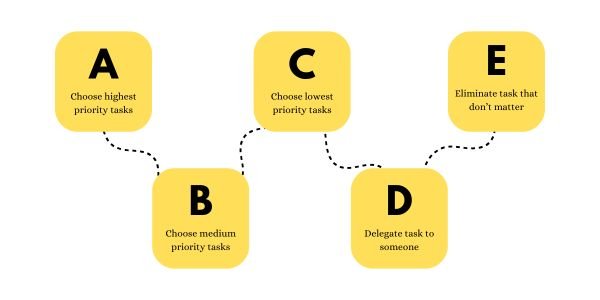
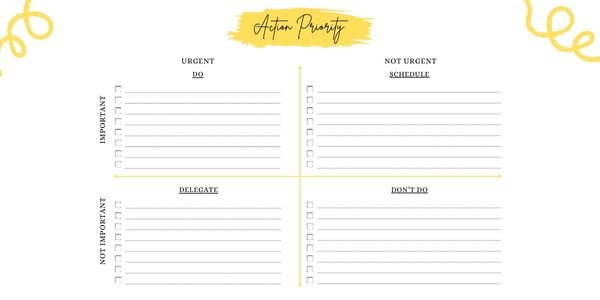
Start by identifying the most critical projects and tasks. Determine which tasks have the highest impact and urgency. Utilize prioritization frameworks such as the Eisenhower Matrix or the ABCDE method to rank your tasks effectively.
- Eisenhower Matrix Example: If you have a project deadline tomorrow and an email to respond to, the deadline task is urgent and important (do it now), while the email might be not urgent but important (schedule it for later). A social media check could be not important and not urgent (eliminate it).
- ABCDE Method Example: Label tasks from A to E based on importance. If finalizing a client proposal is an “A” task (must do), attending a non-critical meeting might be a “C” task (nice to do), and checking social media is an “E” task (eliminate if possible).
Creating a well-structured plan at the beginning of each project helps you allocate time and resources efficiently.
2. Use Project Management Tools
Leverage technology to stay organized. Tools like Trello, Asana, Monday.com, or Microsoft Project can help you track progress, set deadlines, and manage team collaboration. These tools allow you to visualize project timelines, assign responsibilities, and streamline workflows.
How to Choose the Right Project Management Tool
- Customization Options: Look for tools that allow you to tailor workflows to fit your team’s specific need
- Identify Your Needs: Consider factors such as team size, project complexity, and collaboration requirements.
- Ease of Use: Choose a tool that is user-friendly and easy to integrate into your workflow.
- Scalability: Ensure the tool can grow with your team and handle multiple projects efficiently.
- Integration Capabilities: Select a tool that integrates with other apps you use, such as Slack or Google Drive.
- Cost vs. Features: Compare pricing plans to determine the best value for your budget without sacrificing essential features.
- Customization Options: Look for tools that allow you to tailor workflows to fit your team’s specific needs.
3. Set Clear Goals and Deadlines
Each project should have Specific, Measurable, Achievable, Relevant, and Time-bound (SMART) goals. Define clear deadlines for different project milestones to ensure steady progress. Regularly review deadlines and adjust plans as necessary to stay on track.
4. Break Tasks into Smaller Steps
Large projects can be overwhelming. Break them down into smaller, manageable tasks to make execution easier. Assign deadlines to these smaller tasks to ensure continuous progress. This also helps in identifying potential bottlenecks early.
5. Delegate Responsibilities
You don’t have to do everything yourself. Delegating tasks to team members based on their expertise not only improves efficiency but also ensures high-quality work. Trust your team and provide them with the necessary resources and support to succeed.
How to Choose the Right Person to Delegate
- Assess Skills and Strengths: Match tasks with team members’ skills and expertise.
- Consider Workload: Ensure the person has the capacity to take on additional tasks.
- Evaluate Reliability: Choose individuals who have a track record of meeting deadlines and delivering quality work.
- Encourage Growth: Assign tasks that help team members develop new skills while maintaining efficiency.
- Clarify Expectations: Clearly communicate deadlines, priorities, and responsibilities to avoid misunderstandings.
You don’t have to do everything yourself. Delegating tasks to team members based on their expertise not only improves efficiency but also ensures high-quality work. Trust your team and provide them with the necessary resources and support to succeed.
6. Maintain Effective Communication
Clear and open communication is key when handling multiple projects. Regular meetings, status updates, and check-ins ensure that everyone is aligned with project goals. Use collaboration tools such as Slack, Microsoft Teams, or Zoom to facilitate communication among team members.
How to Improve Communication and Involve Teamwork
- Encourage Open Dialogue: Foster an environment where team members feel comfortable sharing ideas and concerns.
- Use the Right Communication Channels: Choose tools that best suit your team’s needs, whether it’s email, chat apps, or video meetings.
- Set Clear Expectations: Define roles, responsibilities, and deadlines to avoid misunderstandings.
- Regular Check-ins: Schedule frequent updates to track progress and address issues before they escalate.
- Promote Team Collaboration: Encourage teamwork through brainstorming sessions, shared documents, and collaborative platforms.
- Provide Feedback: Constructive feedback helps improve efficiency and enhances team performance.
- Recognize and Celebrate Achievements: Acknowledge team efforts to boost morale and motivation.
7. Avoid Multitasking
Contrary to popular belief, multitasking can decrease efficiency and lead to mistakes. Instead, focus on one task at a time and use time-blocking techniques to dedicate specific time slots for each project. This helps maintain concentration and improves productivity.
Here’s an insightful article on multitasking and how to stay efficient without sacrificing productivity. ( CLICK HERE! )
8. Monitor Progress and Adjust as Needed
Regularly review project progress and identify any issues that may arise. Be flexible and ready to adjust strategies if a project is falling behind schedule. Keeping track of progress ensures you can proactively address challenges before they become major obstacles.
9. Manage Stress and Maintain Work-Life Balance
Handling multiple projects can be stressful, so it’s essential to manage stress effectively. Take breaks, practice mindfulness, and ensure you maintain a work-life balance. Avoid overcommitting and set realistic expectations for yourself and your team.
Relaxation Techniques
- Deep Breathing: Practice diaphragmatic breathing to reduce stress and promote relaxation.
- Meditation and Mindfulness: Spend a few minutes daily focusing on the present moment to clear your mind.
- Physical Activity: Engage in regular exercise, such as yoga or walking, to release tension.
- Progressive Muscle Relaxation: Tense and then relax each muscle group in your body to relieve stress.
- Short Breaks: Step away from work periodically to reset and regain focus.
10. Learn from Past Experiences
Reflect on previous projects to identify what worked well and what didn’t. Continuous learning helps you refine your project management strategies and improve efficiency for future projects.
Challenges of Managing Multiple Projects
Managing multiple projects comes with its own set of challenges. Below is a table highlighting common obstacles and their solutions:
| Challenge | Solution |
| Conflicting Priorities | Use prioritization frameworks like Eisenhower Matrix or ABCDE. |
| Missed Deadlines | Set clear deadlines, track progress, and adjust plans as needed. |
| Poor Communication | Utilize collaboration tools and schedule regular check-ins. |
| Team Overload | Delegate effectively and distribute workload evenly. |
| Lack of Focus | Avoid multitasking and use time-blocking techniques. |
| Stress and Burnout | Implement relaxation techniques and maintain work-life balance. |

FAQ’s
How do you manage multiple projects at the same time?
Managing multiple projects requires effective prioritization, time management, and delegation. Use project management tools, set clear goals, and break tasks into smaller steps to ensure steady progress.
What is the best way to track progress of multiple projects?
Utilize project management tools like Trello, Asana, or Monday.com. Regular check-ins, status updates, and visual tracking methods like Gantt charts can help monitor project timelines effectively.
How do you answer “How do you handle multiple projects?”?
Highlight your ability to prioritize tasks, use organizational tools, delegate effectively, and maintain clear communication. Emphasize your adaptability and problem-solving skills in managing overlapping deadlines.
How to manage multiple projects with ADHD?
Use structured routines, task lists, and reminders to stay on track. Break down projects into smaller tasks and use time-blocking techniques. Minimize distractions and leverage focus-enhancing tools such as Pomodoro timers to maintain productivity.
Conclusion
Conclusion
Successfully managing multiple projects requires a combination of organization, prioritization, and effective communication. By implementing these strategies, you can enhance your productivity, meet deadlines, and achieve your goals efficiently. With the right mindset and tools, handling multiple projects can be a manageable and even rewarding experience.
Here’s a must-have tool to simplify project management—stay organized and on track! Get yours today and manage multiple projects with ease. Buy now!