

Table of Contents
Introduction
The way you begin Monday can set the tone for everything that follows. If you’re scrambling from the jump, distracted and disorganized, the rest of the week usually follows suit. But it doesn’t have to be that way. Learning how to start your week right can help you feel more in control, more focused, and more productive—without overloading yourself. It’s not about doing more. It’s about doing the right things early.
Here’s how to start your week with clarity, energy, and momentum:
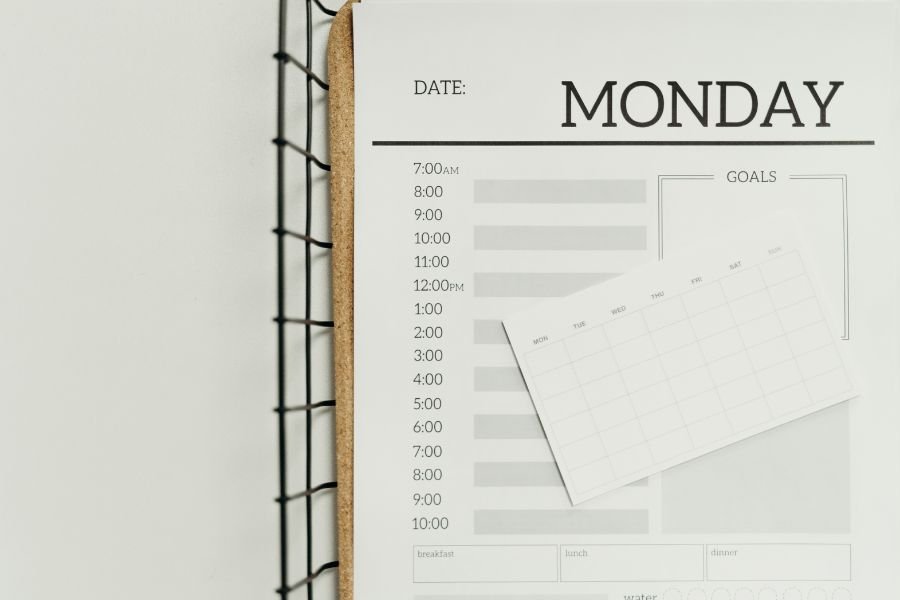
1. Plan on Sunday, Not Monday
Why it matters:
Waiting until Monday morning to figure out what’s going on is a recipe for stress. You’ll be reacting instead of acting. Planning ahead gives you a roadmap.
How to do it:
- Set aside 15–30 minutes on Sunday evening.
- Look at your calendar: What appointments, deadlines, or responsibilities do you have?
- Write down your top 3 priorities for the week—things that will make the biggest impact.
- Break those priorities into smaller tasks you can spread throughout the week.
- Schedule blocks of time to focus on those tasks, not just meetings or calls.
Pro tip: Add a buffer on Monday morning to get grounded—don’t book yourself right away.
2. Start With One Clear Win
Why it matters:
Starting with a win gives you momentum. It’s not about doing a hundred things—it’s about doing one thing that counts.
How to do it:
- Pick a task that’s important, not just urgent.
- Make sure it’s doable within an hour or two.
- Focus fully—turn off notifications and close extra tabs.
- Celebrate it when you’re done. Even just checking it off can give a boost.
Examples:
- Writing a key email you’ve been putting off
- Completing a chunk of a big project
- Solving a lingering issue that’s been on your mind
That first win helps your brain shift from passive to active mode—and the rest of the day benefits.
3. Don’t Overload Monday
Why it matters:
Stacking your Monday with too many tasks can lead to burnout fast. You’ll feel behind by lunchtime. Instead, ease in with a focused plan.
How to do it:
- Aim for 3–5 key tasks at most—not 10.
- Leave some white space in your schedule in case things run over or something unexpected comes up.
- Push non-essential meetings to later in the week if you can.
- Use Monday to set up the rest of the week—not finish it all.
This approach keeps your stress down and your focus sharp.
4. Move Your Body
Why it matters:
Physical movement wakes up your brain, boosts your mood, and increases your energy. It’s also a great way to shake off weekend sluggishness.
How to do it:
- You don’t need a full gym session—just 10 to 30 minutes is enough.
- Walk around the block, stretch, do yoga, go for a jog, or dance to a playlist—whatever works for you.
- Try moving before you check your phone or open your laptop.
Even light movement signals your brain that it’s time to switch into go-mode.
5. Limit Distractions Early
Why it matters:
The first part of your day often sets your mental tone. If you start by reacting to notifications and scrolling through emails, your focus is already scattered.
How to do it:
- Avoid checking your phone first thing. Wait until after you’ve finished your first priority task, if possible.
- Mute unnecessary notifications.
- Set a timer and give yourself 30–60 minutes of deep focus on something meaningful before looking at messages or emails.
Give your best attention to your best work—not to whatever pops up on your screen.
6. Set the Mood for Focus
Why it matters:
Your physical environment influences your mindset. A messy or noisy space makes it harder to concentrate. A clean, intentional setup can help you feel ready and in control.
How to do it:
- Tidy up your desk or workspace on Sunday or first thing Monday.
- Open a window, light a candle, or adjust the lighting—whatever makes your space more inviting.
- Choose music or background noise that helps you focus (or silence, if that’s better for you).
These little details help reduce friction so you can start working without resistance.
7. Reconnect With Why
Why it matters:
It’s easy to fall into autopilot—checking boxes without remembering what it’s all for. Starting your week with intention helps you stay motivated and aligned.
How to do it:
- Take a minute to ask yourself: Why am I doing this work? What’s the bigger goal here?
- Jot down one sentence or phrase that reminds you.
- You can even write it on a sticky note and keep it visible all week.
This isn’t about forcing yourself to be “motivated.” It’s about staying connected to the reason behind your actions.

FAQ’s
How to start your week in a right way?
Start by planning on Sunday so Monday isn’t chaotic. Pick one clear, meaningful task to focus on early. Keep your Monday simple, avoid distractions, move your body, and remind yourself of your bigger goals. The key is intention, not overload.
What’s a better way to start the week?
A better way is to start slow but strong: plan ahead, focus on one high-impact task, and create an environment that helps you focus. Avoid reacting to everything right away—be proactive with your time and energy.
How to start a new week fresh?
Prep the night before, get good sleep, and clear your space. Move your body first thing and do something productive—but manageable—right away. Starting with a win, even a small one, sets the tone for the rest of the week.
What is a good way to start the week quote?
“Start where you are. Use what you have. Do what you can.” – Arthur Ashe
It’s a reminder that you don’t need to be perfect or have it all figured out—just take the first step with intention.
Final Thoughts
Learning how to start your week right isn’t about a rigid routine or squeezing more into your Monday. It’s about starting intentionally—with a clear plan, a calm mind, and a strong first step. A little preparation on Sunday, a meaningful task on Monday, and a few smart habits can make your whole week feel lighter and more focused.
Control the start, and the rest of the week follows.
Some Related Articles
How to Plan Your Week for Maximum Productivity and a Stress-Free Life