

Table of Contents
Introduction
Welcome to the Family Chore Chart Guide, your go-to resource for transforming household chores into a collaborative and efficient experience. In this guide, we’ll delve into innovative approaches, share personal experiences, and provide valuable insights to help your family thrive in maintaining a harmonious living space.
Why Establish a Family Chore Chart?
Family Chore Chart Guide: A Catalyst for Cooperation
| Aspect | Description |
|---|---|
| Cultivating Teamwork | A family chore chart is a powerful tool for cultivating teamwork by clearly defining each member’s responsibilities, fostering a collaborative spirit and a shared commitment to the well-being of the household. |
| Shared Commitment to Tidiness | Assigning specific chores instills a shared commitment to maintaining a tidy and functional home. Understanding individual roles reduces the burden on any one person, creating a collective responsibility for the home’s well-being. |
| Reducing Stress Through Organization | A well-organized chore chart acts as a roadmap for daily tasks, minimizing chaos and reducing stress. Clearly outlined responsibilities contribute to a serene and stress-free living environment for all family members. |
| Teaching Responsibility and Accountability | Assigning and completing chores instills a sense of responsibility and accountability in family members of all ages. Children learn about contributing to the household, while adults reinforce these values through consistent participation. |
| Encouraging Open Communication | Establishing a chore chart provides an opportunity for open communication within the family. Collaboratively deciding on responsibilities allows for the expression of preferences and strengths, strengthening family bonds. |
| Celebrating Achievements Together | The chore chart provides a platform for celebrating achievements together, fostering a positive atmosphere. Recognizing and applauding accomplishments reinforces the idea that everyone’s contributions are valued within the family. |
| Creating Lasting Habits | Implementing a chore chart helps create lasting habits of responsibility and organization. Consistent engagement in assigned tasks ingrains positive habits into daily routines, extending the impact beyond household chores to other aspects of life. |
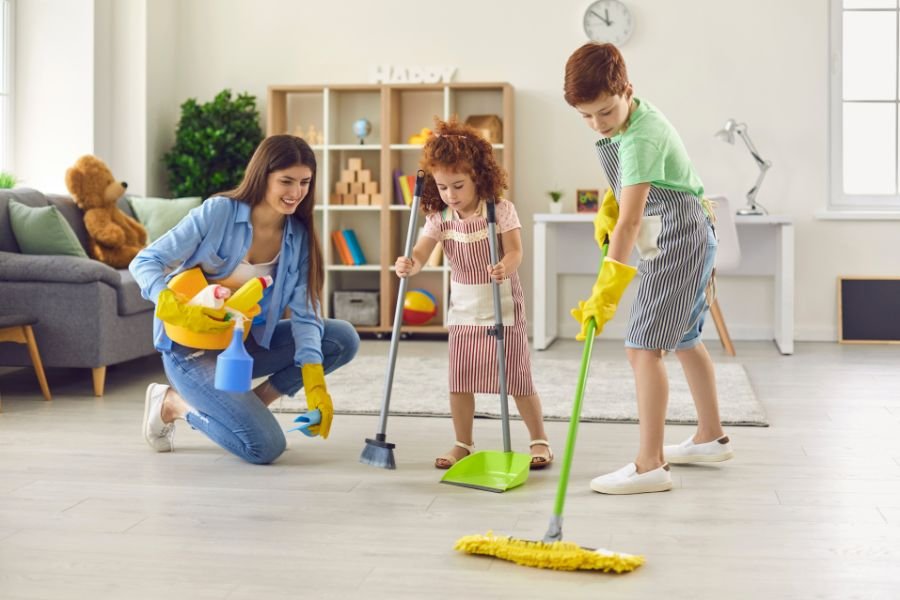
Benefits of a Family Chore Chart
| Aspect | Description |
|---|---|
| Promoting Responsibility | A chore chart serves as a visual representation of each family member’s responsibilities, fostering a sense of accountability and ownership. Children and teenagers learn the importance of contributing to the family’s well-being. |
| Teaching Life Skills | Household chores provide opportunities for skill development, including time management, organization, and problem-solving. These skills extend beyond chores, becoming valuable assets in future endeavors. |
| Creating a Sense of Equality | A well-organized chore chart ensures fair distribution of responsibilities, preventing anyone from feeling burdened or overlooked. This fosters a sense of equality within the family, emphasizing everyone’s vital role in maintaining the home. |
| Building Teamwork | The collaborative nature of a chore chart encourages family members to work together towards common goals, strengthening bonds and creating a cohesive unit. Teamwork extends to various activities, fostering a sense of togetherness. |
| Reducing Conflict | Clearly defined roles in a chore chart minimize misunderstandings or disputes related to household responsibilities. This contributes to a more peaceful and harmonious living environment, reducing conflicts within the family. |
| Instilling Discipline | A chore chart provides a structured framework for daily routines, promoting consistency and discipline. Adhering to assigned tasks and timelines cultivates discipline that extends into other areas of life, such as academics and extracurriculars. |
| Celebrating Achievements | Acknowledging and appreciating each family member’s contributions creates a positive atmosphere. Celebrating accomplishments, big and small, reinforces the value of everyone’s efforts and encourages continued participation and pride. |
Creating an Effective Family Chore Chart
Crafting a chore chart requires thoughtful planning and consideration of each family member’s strengths and preferences. Our family chore chart guide will walk you through the process, making it a seamless and enjoyable task.

Tailoring Chores to Individual Strengths
| Aspect | Description |
|---|---|
| Recognizing Individual Strengths | The initial step involves identifying and understanding the individual strengths of each family member, laying the foundation for a chore chart that aligns with everyone’s capabilities. |
| Efficiency Through Strategic Assignments | Tailoring chores to individual strengths ensures tasks are completed efficiently, contributing to a harmonious household where everyone is engaged in activities that align with their unique skills. |
| Boosting Confidence | Assigning tasks based on strengths naturally boosts confidence, fostering a sense of accomplishment. Successfully completing chores that align with one’s abilities reinforces the value of each family member’s contributions. |
| Fostering a Positive Attitude Towards Chores | Aligning chores with individual strengths transforms the perception of household tasks, making them fulfilling rather than burdensome. This positive mindset promotes a cooperative and willing approach to responsibilities. |
| Building a Collaborative Environment | Recognizing and utilizing individual strengths in the chore chart builds a collaborative environment. Each family member feels they have a unique role, fostering a sense of unity and shared purpose beyond household chores. |
| Encouraging Skill Development | Tailoring chores to strengths not only maximizes efficiency but also encourages skill development. Engaging in tasks aligned with one’s strengths allows for skill refinement and the acquisition of new abilities. |
| Celebrating Diverse Contributions | An effective chore chart celebrates the diverse contributions of each family member. Recognizing and appreciating unique strengths fosters an inclusive and supportive atmosphere, reinforcing that everyone is integral to the family’s success. |
Utilizing Technology for Chore Management
| Technology Solution | Description |
|---|---|
| Interactive Chore Management Apps | Explore apps like “ChoreMonster” that streamline chore assignment and tracking. These apps provide real-time updates, notifications, and even gamify the chore process, making it engaging and motivating for family members. |
| Real-time Collaboration with Shared Calendars | Platforms like Google Calendar or family-specific apps enable the creation of shared chore schedules. Family members can access and update the calendar, set reminders, and foster a collaborative approach to chore management in real time. |
| Task Management Platforms | Utilize task management platforms like Trello or Asana to create dynamic chore boards. These platforms categorize tasks, assign responsibilities, and visually track progress, promoting transparency and accountability within the family. |
| Smart Home Integration | Integrate smart home devices like Amazon Echo or Google Home for automated chore reminders and tasks. Smart home systems can simplify responsibilities by automating certain tasks, enhancing efficiency in household management. |
| Incentivize with Reward Systems | Explore apps like “OurHome” that allow you to set up virtual reward systems for completed chores. Assign point values to tasks, encouraging family members through gamification and providing a sense of accomplishment and motivation. |
| Communication Apps for Coordination | Utilize messaging apps or family-specific communication platforms for real-time coordination. These apps enhance communication, making it easy to discuss and coordinate chore-related matters among family members. |
| Cloud-Based Document Sharing | Move beyond physical chore charts with cloud-based document-sharing services like Google Drive or Dropbox. Create and share digital chore charts that can be accessed and updated in real-time, eliminating the need for physical charts. |

Family Chore Chart Guide: FAQs
How do I make a household chore schedule?
Assess Household Needs: Start by identifying the essential chores that need to be done regularly in your household. Consider tasks related to cleaning, cooking, organization, and maintenance.
Determine Frequency: Categorize chores based on their frequency. Some tasks, like washing dishes, might be daily, while others, such as deep cleaning, might be weekly or monthly.
Consider Time and Availability: Take into account the time each family member can dedicate to chores and their daily schedules. Ensure that the chore schedule aligns with everyone’s availability.
Create a Clear Schedule: Develop a clear and visually appealing schedule. You can use traditional charts, digital apps, or shared calendars for this purpose.
Rotate Responsibilities: To avoid monotony, consider rotating chores among family members. This ensures that everyone gets a variety of tasks and experiences.
Which chores are done everyday in family?
Meal Preparation and Cleanup: Cooking and cleaning up after meals are daily tasks that involve everyone in the family.
Dishwashing: Washing dishes or loading and unloading the dishwasher is a common daily chore.
Tidying Common Areas: Keeping shared spaces tidy, including the living room and common areas, contributes to a clean home.
Laundry: Sorting, washing, and folding laundry is often a daily necessity, especially in larger families.
Pet Care: If you have pets, feeding them, taking them for walks, or cleaning their living spaces may be daily responsibilities.
How do I assign chores to my family?
Understand Individual Strengths: Consider the strengths and preferences of each family member when assigning chores. This ensures a more efficient and enjoyable experience for everyone.
Rotate Tasks Fairly: Rotate chores regularly to distribute responsibilities fairly. This prevents any one person from feeling burdened by specific tasks.
Consider Age-Appropriate Tasks: Assign age-appropriate chores to children, gradually increasing the complexity of tasks as they grow older.
Communicate Expectations: Clearly communicate expectations for each chore. Provide guidelines on how tasks should be completed and any specific standards you want to maintain.
Encourage Collaboration: Foster a collaborative environment where family members can help each other with tasks, promoting teamwork and a sense of shared responsibility.
How do you divide chores between siblings?
Know Abilities: Consider each sibling’s age and abilities when assigning chores.
Fair Rotation: Rotate chores regularly to distribute responsibilities evenly.
Match Interests: Assign tasks aligned with each sibling’s interests when possible.
Create Schedule: Establish a clear chore schedule to set expectations.
Encourage Teamwork: Foster collaboration by having siblings help each other.
Age-Appropriate Tasks: Match chores to each sibling’s age and development.
Clear Communication: Clearly communicate expectations for each chore.
Teach Accountability: Emphasize completing tasks on time and with effort.
Family Meetings: Hold regular family meetings for feedback and adjustments.
Stay Flexible: Adapt the chore system as family dynamics change.
Conclusion
Incorporating a family chore chart is a transformative step towards creating a harmonious home environment. Empower your family members with shared responsibilities, foster cooperation, and enjoy the benefits of a well-organized household.
Here’s one of our amazing products crafted to help your family stay organized and manage chores effortlessly! ( Click Here! )