

Table of Contents
Introduction
What is an Event Planning Guide, and why is it crucial? Planning an event can be overwhelming, but with the right guide, it becomes a breeze. This article delves into the essentials, providing insights to ensure your events are unforgettable.
Basics of Event Planning
What is Event Planning Guide?
Event Planning Guide is your roadmap to hosting successful events. It encompasses various aspects, such as budgeting, venue selection, and guest list creation. It acts as your go-to resource for a seamless event planning experience.
Importance of Event Planning
Effective event planning ensures a well-organized and enjoyable experience for both hosts and guests. From weddings to corporate functions, having a guide in place guarantees a smooth and memorable occasion.
Planning Timeline
Understanding the Event Objective
Define the purpose of your event. Whether it’s a celebration, conference, or wedding, understanding the objective is crucial for making informed decisions throughout the planning process.
Setting a Realistic Budget
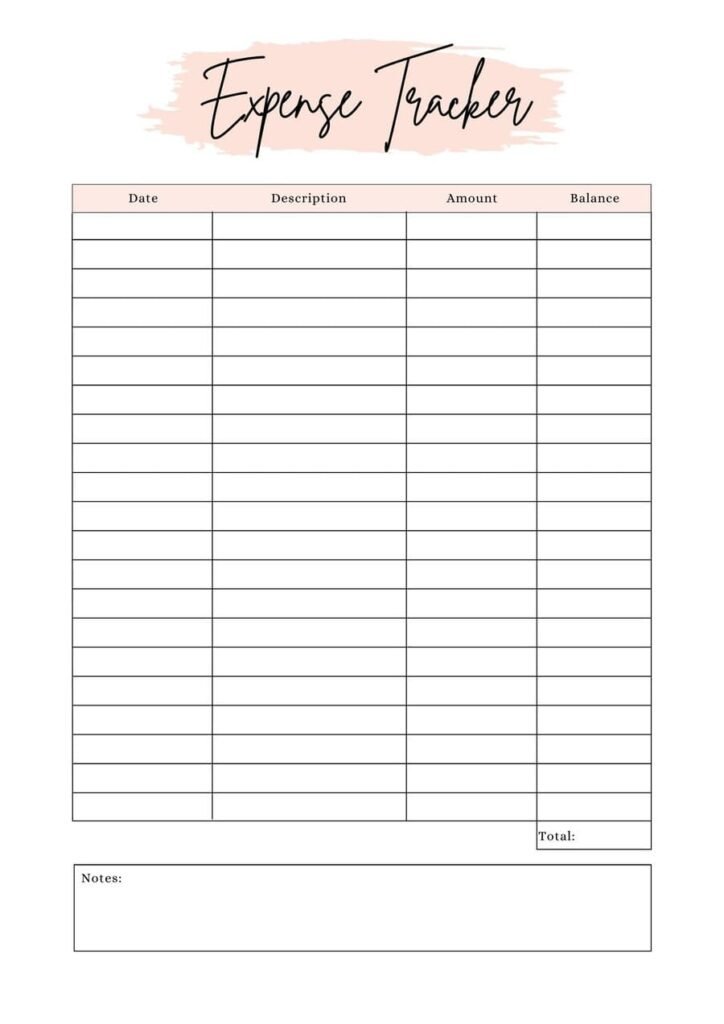
Budgeting is the backbone of successful events. Learn how to allocate funds wisely, covering everything from venue costs to entertainment, without compromising on quality.
Selecting the Perfect Venue
Choosing the right venue sets the tone for your event. Explore considerations for venue selection, ensuring it aligns with your theme, budget, and guest capacity.
Crafting a Guest List
Building a guest list requires strategic thinking. Balance is key—invite the right people to create a vibrant atmosphere that suits the nature of your event.

Key Elements of a Successful Event
Discover the essential components that contribute to a successful event. From engaging invitations to seamless logistics, each element plays a vital role in event triumph.
Planning Timeline
Creating a Detailed Timeline
Efficient event planning revolves around a well-constructed timeline. Learn how to create a detailed schedule, ensuring all tasks are executed timely and seamlessly.
Decor and Ambiance
Theme Selection and Execution
Themes add flair to events. Dive into the world of theme selection and execution, transforming your venue into a captivating space that resonates with your event’s purpose.
Lighting and Decor Tips
Master the art of lighting and decor. Explore tips for creating ambiance that complements your event’s theme, leaving a lasting impression on your guests.
Catering Tips
Menu Planning and Dietary Considerations
Catering is a significant aspect of any event. Uncover strategies for menu planning that caters to diverse tastes and dietary considerations, ensuring all guests are satisfied.

Coordination with Catering Services
Smooth coordination with catering services is paramount. Learn how to communicate effectively with caterers, ensuring they understand your vision and deliver accordingly.
| Tips for Effective Communication with Caterers |
|---|
| 1. Clearly Define Your Vision |
| Clearly articulate your event’s theme, purpose, and the type of dining experience you envision. Provide details on the atmosphere, preferred cuisine, and any specific dietary requirements. |
| 2. Establish a Budget |
| Clearly outline your budget for catering services to guide menu options and services that align with your financial constraints. Transparent budgeting allows for efficient decision-making. |
| 3. Open and Honest Communication |
| Foster open and honest communication from the start. Clearly express expectations, preferences, and concerns. Encourage the caterer to share ideas and expertise for a collaborative partnership. |
| 4. Menu Customization |
| Work closely with the caterer to customize the menu according to preferences and dietary needs. Discuss options for accommodating diverse requirements. |
| 5. Tasting Sessions |
| Request a tasting session to experience food quality and presentation. Use this opportunity to make adjustments and fine-tune the menu. |
| 6. Provide Event Details |
| Share comprehensive event details, including the number of guests, event timeline, and venue specifics. This information helps caterers plan logistics more effectively. |
| 7. Discuss Logistics and Set-Up |
| Clearly discuss logistics, delivery times, set-up requirements, and any venue-specific guidelines. Ensure the caterer has access to necessary facilities and equipment. |
| 8. Finalize Details in Writing |
| Document all details in a written contract, including the final menu, service staff requirements, delivery times, and payment terms. |
| 9. Maintain Flexibility |
| Be open to suggestions from the caterer while communicating preferences. Flexibility fosters a collaborative environment and encourages innovative ideas. |
| 10. Regular Check-Ins |
| Maintain regular communication leading up to the event. Periodic check-ins ensure both parties are on the same page and allow for adjustments as needed. |

Entertainment Ideas
Live Bands, DJs, and Other Options
Entertainment elevates events. Explore options like live bands and DJs, understanding how to choose the right entertainment that aligns with your event’s atmosphere.
Incorporating Interactive Elements
Engage your guests with interactive elements. Discover creative ways to make your event memorable, leaving a lasting impression on everyone in attendance.
| Innovative Ways to Leave a Lasting Impression |
|---|
| 1. Interactive Technology Stations |
| Set up touchscreens, virtual reality, or augmented reality activities for a hands-on and immersive experience. |
| 2. Live Art Installations |
| Invite artists for live art creations, such as murals, sculptures, or digital artwork, providing a dynamic visual experience. |
| 3. Customized Experiences |
| Personalize the event with interactive food stations or photo booths, allowing guests to customize their experiences. |
| 4. Audience Participation Performances |
| Opt for live performances involving audience participation, such as improv comedy, crowd-sourced storytelling, or collaborative music. |
| 5. Gamification |
| Incorporate interactive games or competitions to encourage participation and interaction among guests. |
| 6. Virtual Interactions |
| Use live polls, Q&A sessions, or virtual networking platforms to engage both in-person and remote attendees. |
| 7. Immersive Experience Zones |
| Create immersive experience zones with elements like escape rooms, mystery games, or interactive exhibits, promoting engagement and teamwork. |
| 8. Interactive Workshops or Demos |
| Offer hands-on workshops or demonstrations relevant to the event theme for interactive learning experiences. |
| 9. Social Media Challenges |
| Create event-specific challenges on social media, encouraging attendees to share their experiences and photos. |
| 10. Collaborative Art Projects |
| Set up collaborative art projects, like community murals or digital mosaics, allowing attendees to contribute throughout the event. |
Measuring Success
Gathering Feedback and Evaluating
Post-event feedback is invaluable. Learn how to gather feedback and evaluate your event’s success, making adjustments for even better future events.
| Tips for Gathering Feedback and Evaluating Event Success |
|---|
| 1. Surveys and Questionnaires |
| Create clear, concise post-event surveys to collect feedback on various aspects of the event. |
| 2. Real-time Feedback |
| Encourage attendees to provide real-time feedback through interactive tools or mobile apps. |
| 3. Social Media Listening |
| Monitor social media platforms for mentions, comments, and hashtags related to the event. |
| 4. Attendee Interviews |
| Conduct one-on-one interviews with a select number of attendees for in-depth qualitative feedback. |
| 5. Vendor Debriefs |
| Gather feedback from vendors and partners involved in the event for logistical insights. |
| 6. Analytics and Data Analysis |
| Utilize data analytics tools to analyze attendance rates, engagement metrics, and other relevant data. |
| 7. Feedback Stations at the Venue |
| Set up feedback stations at the venue for in-person feedback through written notes or interactive kiosks. |
| 8. Post-Event Emails |
| Send post-event emails with links to online surveys or encourage direct replies for convenient feedback. |
| 9. Incorporate Net Promoter Score (NPS) |
| Implement the Net Promoter Score (NPS) system to measure attendee satisfaction and loyalty. |
| 10. Benchmark Against Goals |
| Compare event outcomes against initially set goals and objectives for a comprehensive evaluation. |
| 11. Post-Event Debrief with Team |
| Conduct a debriefing session with your event planning team to gather internal feedback. |
| 12. Continuous Improvement Plan |
| Develop a continuous improvement plan based on feedback to enhance future events. |
Adjustments for Future Events
Continuous improvement is the hallmark of successful event planning. Implement adjustments based on feedback and experiences, ensuring each event surpasses the last.
Event Planning Guide FAQ
What are the 7 stages of event planning?
1. Define the Purpose and Objectives: Clearly outline the goals and purpose of the event.
2. Set a Budget: Determine the financial resources available for the event.
3. Create a Guest List: Identify the target audience and create a guest list.
4. Choose a Venue: Select a suitable venue based on the event requirements.
5. Plan the Program: Outline the schedule, activities, and logistics for the event.
6. Coordinate Vendors and Logistics: Secure necessary services and coordinate logistical details.
7. Execute and Evaluate: Implement the plan, manage the event, and conduct a post-event evaluation.
What are the 5 P’s of event planning?
1. Purpose: Clearly define the purpose and goals of the event.
2. People: Identify and understand the target audience and key stakeholders.
3. Place: Choose a suitable venue that aligns with the event’s objectives.
4. Programming: Plan the event program, including activities, speakers, and entertainment.
5. Promotion: Develop a comprehensive promotional strategy to create awareness and attract attendees.
What are the 5 W’s in event planning?
1. Who: Identify the target audience, stakeholders, and key participants.
2. What: Clearly define the purpose, goals, and activities of the event.
3. When: Determine the date and time for the event.
4. Where: Select a suitable venue based on the event’s requirements.
5. Why: Understand the reasons behind hosting the event and its overall objectives.
Conclusion
In conclusion, the Event Planning Guide serves as your comprehensive manual for hosting remarkable events. By following these detailed insights and expert tips, you’re well on your way to becoming an event planning maestro.