

Table of Contents

Introduction
Managing your time effectively often hinges on your ability to prioritize tasks. When done correctly, task prioritization can significantly enhance productivity, reduce stress, and improve overall work-life balance. This guide offers actionable steps to help you master the art of prioritizing tasks and achieving your goals.
Understanding the Importance of Prioritizing Tasks
What Does Task Prioritization Mean?
Task prioritization is the process of organizing and arranging tasks based on their urgency, importance, and relevance. It ensures that critical activities are completed promptly while less significant ones are deferred or delegated.
Why Is Task Prioritization Crucial for Success?
Effective prioritization enables you to focus on tasks that yield the highest impact. It reduces wasted time and energy on unimportant activities, helping you meet deadlines and avoid burnout.
Benefits of Effective Task Prioritization
- Enhanced Productivity: By focusing on high-priority tasks, you accomplish more in less time.
- Improved Time Management: Prioritization helps allocate time efficiently to different activities.
- Reduced Stress Levels: Clear priorities prevent last-minute scrambles.
- Better Work-Life Balance: You can allocate time for both professional and personal commitments.
How to Prioritize Tasks
1. Identifying and Categorizing Your Tasks
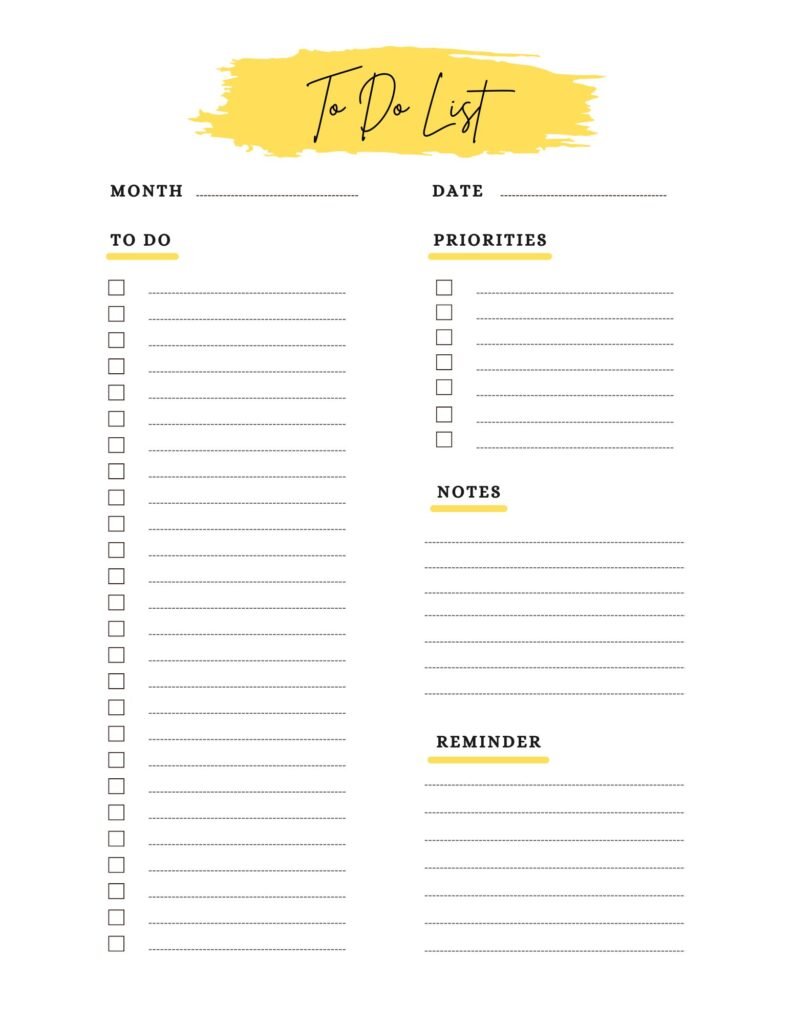
Creating a Comprehensive To-Do List
Start by listing everything you need to accomplish, no matter how small or large the task. This list forms the foundation for categorization and prioritization.
Differentiating Between Urgent and Important Tasks
Not all tasks are created equal. Urgent tasks require immediate attention, while important tasks contribute to long-term goals. Understanding this distinction is crucial for effective prioritization.
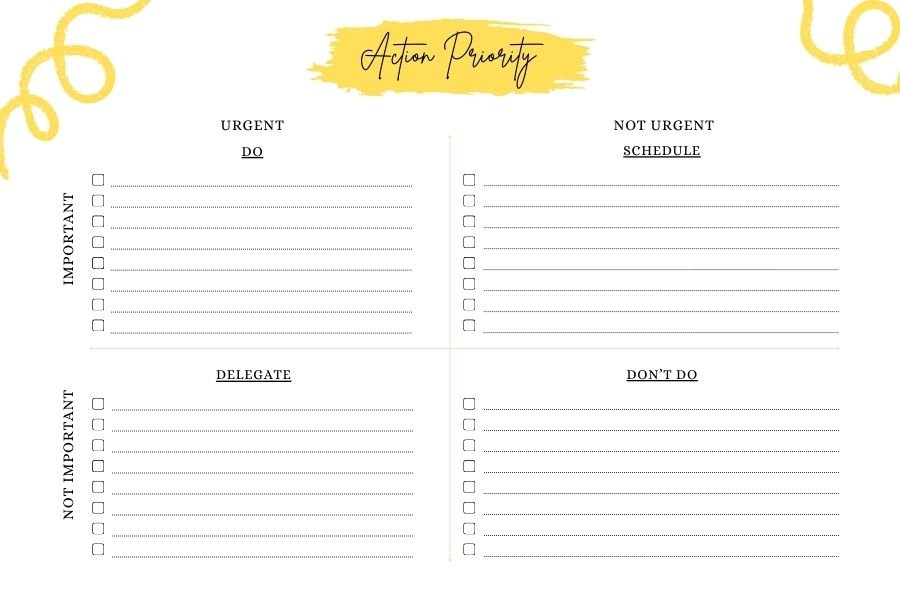
Using the Eisenhower Matrix to Organize Tasks
The Eisenhower Matrix divides tasks into four quadrants:
- Urgent and Important: Handle immediately.
- Important but Not Urgent: Schedule for later.
- Urgent but Not Important: Delegate if possible.
- Neither Urgent Nor Important: Eliminate or deprioritize.
2. Proven Methods for Prioritizing Tasks
ABCDE Method for Prioritization
Assign each task a letter based on its importance:
- A: Must-do tasks with severe consequences if not completed.
- B: Important tasks with minor consequences.
- C: Nice-to-have tasks with no real consequences.
- D: Tasks to delegate.
- E: Tasks to eliminate entirely.
Time Blocking as a Prioritization Strategy
Time blocking involves assigning specific time slots to tasks, ensuring dedicated focus and minimizing distractions. This method helps you stay organized, avoid multitasking, and work more efficiently.
Steps to Use Time Blocking:
- List Your Tasks: Write down everything you need to do.
- Estimate Time: Determine how long each task will take.
- Block Your Time: Assign tasks to specific time slots on your calendar.
- Stick to It: Follow your schedule and adjust only if necessary.
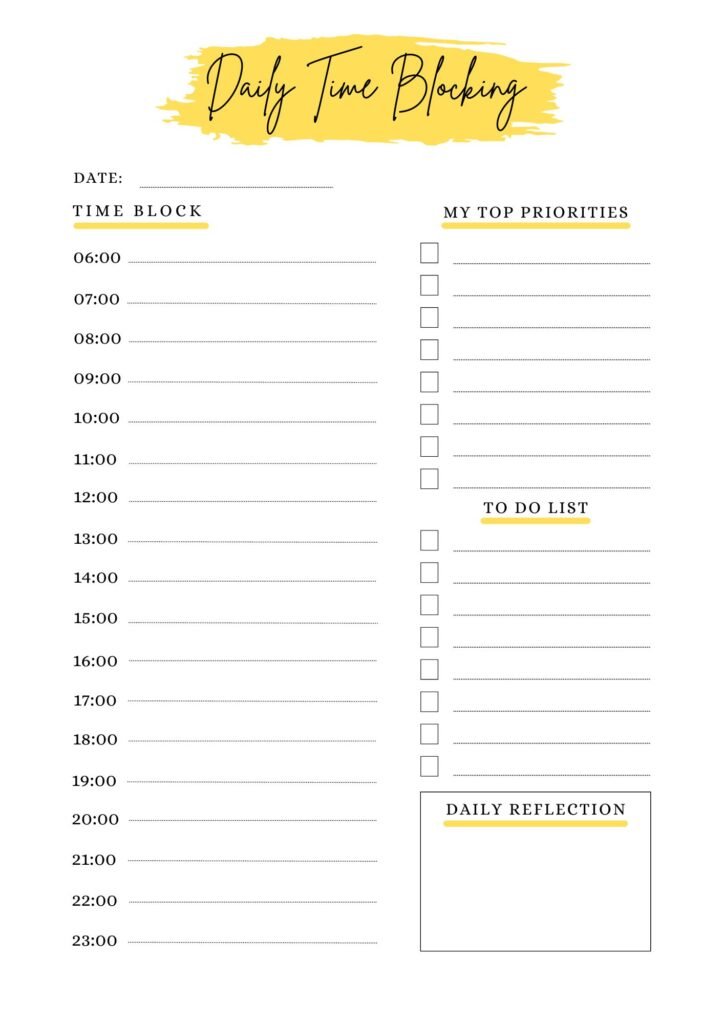
Time blocking helps you focus on what truly matters and ensures you use your time effectively.
The Ivy Lee Method for Daily Task Management
The Ivy Lee Method is a simple yet effective way to prioritize tasks. At the end of each day:
- List Six Tasks: Write down the six most important tasks for the next day.
- Rank by Priority: Order them based on importance.
- Work in Order: Start with the most critical task and focus on completing it before moving to the next.
This method keeps you focused, eliminates decision fatigue, and ensures you tackle your most important tasks first.
If you want to learn more about Ivy Lee, here’s an interesting article that explores his life. ( Click Here )
3. Technology Tools for Task Prioritization
Best Task Management Apps and Software
Task management apps like Trello, Asana, and Todoist are excellent for organizing and prioritizing your tasks.
- Trello: A visual tool that uses boards and cards to manage tasks. Great for teams and personal use.
- Asana: Ideal for tracking projects, deadlines, and team collaboration.
- Todoist: Simple and user-friendly for creating to-do lists and setting priorities.
These tools help you stay on track, manage deadlines, and focus on what matters most.
Setting Reminders and Alerts for Deadlines
Stay on top of deadlines by using built-in smartphone reminders or dedicated apps like Google Calendar and Microsoft To Do. These tools:
- Send alerts for upcoming tasks.
- Help you track important deadlines.
- Ensure you never miss critical priorities.
With reminders, you can manage your time effectively and stay organized.
Automating Repetitive Tasks to Save Time
Save time by automating routine tasks with tools like Zapier and IFTTT. These platforms can:
- Automatically send emails or reminders.
- Sync data across apps.
- Handle repetitive workflows efficiently.
By automating small tasks, you can focus on higher-priority work and boost productivity.
4. Avoiding Common Pitfalls in Task Prioritization
Overcommitting and Its Consequences
Overcommitting can lead to stress, missed deadlines, and burnout. Avoid this by:
- Learning to Say No: Prioritize tasks that align with your goals.
- Delegating: Assign tasks to others when possible.
Focusing on what truly matters ensures better results and protects your well-being.
Recognizing and Overcoming Procrastination
Procrastination can derail your priorities. To overcome it:
- Identify the Cause: Understand why you’re avoiding the task—fear, boredom, or feeling overwhelmed.
- Break It Down: Divide tasks into smaller, manageable steps.
- Take Action: Focus on starting, even with a small step, to build momentum.
Small progress can help you stay on track and accomplish your goals.
Balancing Work and Personal Priorities
Achieving balance is key to long-term success. To manage both work and personal priorities:
- Allocate Time: Set aside time for personal growth, relaxation, and relationships.
- Set Boundaries: Protect your personal time by saying no to non-essential work.
- Prioritize Self-Care: Take breaks and engage in activities that recharge you.
Balancing both areas ensures you stay motivated, focused, and avoid burnout.
5. Strategies for Staying Flexible and Adaptable
Adjusting Priorities Based on New Information
Stay adaptable by adjusting your priorities as new information or circumstances arise:
- Shift Focus: Be open to changing your focus when new opportunities or challenges come up.
- Regularly Assess: Continuously evaluate your priorities to ensure they align with your current goals and situation.
Flexibility helps you stay responsive and proactive in a dynamic environment.
Handling Unexpected Challenges Without Losing Focus
When unexpected challenges arise:
- Stay Calm: Take a moment to assess the situation without reacting impulsively.
- Evaluate Impact: Consider how the new task will affect your priorities and whether it’s urgent.
- Adjust Your Plan: Integrate the task only if it aligns with your goals or needs immediate attention.
Staying calm and strategic helps you maintain focus and prevent distractions from derailing your progress.
Continuously Reviewing and Updating Your Priorities
To stay adaptable:
- Regularly Assess: Review your priorities frequently to ensure they align with your evolving goals.
- Update as Needed: Adjust your priorities based on new information, changing circumstances, or shifts in your goals.
Ongoing reviews help you stay on track and make informed decisions, ensuring your actions stay aligned with your most important objectives.

FAQ’s
What are the 4 levels of prioritizing tasks?
The 4 levels of prioritizing tasks typically follow this order:
Critical (High Priority): Tasks that must be completed immediately, often with deadlines.
Important (Medium Priority): Tasks that contribute to your goals but are not urgent.
Low Priority: Tasks that are nice to do but don’t have a significant impact on your goals or deadlines.
Delegated or Deferred: Tasks that can be delegated to others or delayed for a later time.
What is the 1/3/9 method?
The 1/3/9 method is a simple prioritization strategy that helps manage your daily tasks effectively:
1: Focus on your single most important task for the day.
3: Identify three secondary tasks that are important but not as urgent.
9: Choose up to nine smaller tasks that can be completed if time allows, without affecting your priorities.
This method keeps you focused on the essentials while still leaving room for less critical tasks.
What are the 4 Ds of Prioritization?
The 4 Ds is a decision-making model for task management:
Do: Tasks that are urgent and important, requiring immediate action.
Defer: Tasks that are important but can be scheduled for later.
Delegate: Tasks that can be handed off to someone else.
Delete: Tasks that are neither urgent nor important, and can be eliminated from your to-do list.
What are the 3 key components to prioritizing?
The three key components to prioritizing tasks are:
Urgency: How soon does the task need to be completed?
Importance: How significant is the task in achieving your goals or objectives?
Effort/Resources: How much time and energy will the task require compared to its benefits?
By evaluating tasks based on these components, you can prioritize effectively and ensure you focus on what truly matters.
Conclusion
Prioritizing tasks effectively is essential for staying productive and achieving your goals. By using proven methods like time blocking, the Ivy Lee method, and task management tools, you can take control of your workload and avoid common pitfalls. Staying flexible, regularly reviewing your priorities, and overcoming challenges with a calm, strategic approach ensures that you remain focused on what truly matters.
If you’re looking to learn how to set and achieve your goals, here’s an article that clearly outlines the steps you need to take for success. ( Click Here! )