
Table of Contents
Introduction
Embarking on a keto diet plan for beginners can be a life-changing decision towards a healthier lifestyle. In this comprehensive guide, we will unravel the intricacies of the keto diet, providing valuable insights, practical tips, and answering common questions to ensure you navigate this journey successfully.
Understanding the Basics
What is the Keto Diet?
Embarking on a keto diet plan for beginners means adopting a low-carb, high-fat diet to induce a metabolic state called ketosis. In this state, the body shifts from using carbohydrates as its primary energy source to burning fats.
The Science Behind Ketosis
Delving into the science of ketosis, the body produces ketones during the breakdown of fats, serving as an alternative energy source. This metabolic state offers numerous health benefits, from weight loss to improved mental clarity.

Planning Your Keto Journey
Crafting Your Meal Plan
| Step | Action | Key Considerations |
|---|---|---|
| 1. | Identifying Keto-Friendly Foods: | Recognize foods low in carbs (vegetables, meats) and high in healthy fats (avocado, olive oil). |
| 2. | Balancing Macronutrients: | Achieve a balance of fats, proteins, and carbs; emphasize “keto-friendly recipes” in your choices. |
| 3. | Meal Prepping for Success: | Save time and maintain consistency by preparing keto-friendly batches in advance. |
| 4. | Variety and Nutrient-Rich Choices: | Explore diverse, colorful options for essential nutrients; focus on “nutrient-rich meals.” |
| 5. | Monitoring Portion Sizes: | Be mindful of serving sizes to align with your nutritional needs and weight loss goals. |
| 6. | Staying Hydrated: | Prioritize water intake and consider herbal teas; include electrolyte-rich beverages. |
| 7. | Seeking Professional Guidance: | Consult with a nutritionist or healthcare professional for personalized advice and adjustments. |
Essential Macros on Keto
| Macro | Key Points |
|---|---|
| Fats | – Optimal Fat Intake: Embrace healthy fats like avocados, olive oil, nuts, and fatty fish for ketosis. |
| – Balancing Saturated and Unsaturated Fats: Achieve a mix for a diverse nutrient profile. | |
| – Mindful Consumption: Choose nutrient-dense sources to meet daily fat requirements without overindulging. | |
| Proteins | – Protein Moderation: Moderate intake to prevent gluconeogenesis and maintain ketosis. |
| – Quality Protein Sources: Prioritize lean meats, poultry, fish, and eggs for essential amino acids. | |
| – Calculating Protein Needs: Aim for 0.6 to 1.0 grams per pound of lean body mass. | |
| Carbs | – Strict Carbohydrate Limit: Restrict intake to 20-50 grams/day for reliance on fats for energy. |
| – Net Carbs Awareness: Track net carbs (total carbs minus fiber) for accurate carbohydrate monitoring. | |
| – Smart Carb Choices: Opt for nutrient-rich, fiber-containing carbohydrates for digestive health. |
Understanding these essential macros on keto—optimal fat intake, protein moderation, and carbohydrate restriction—lays the groundwork for a successful keto journey, particularly for beginners. By striking the right balance, you can harness the transformative power of the ketogenic diet and embark on a path to improved health and well-being.
Keto Diet Plan for Beginners: A Day in the Life
Embarking on a keto diet as a beginner involves not only understanding the essential macros but also crafting a day-to-day meal plan that aligns with the principles of this low-carb, high-fat lifestyle.
Breakfast Bliss
Let’s explore the first meal of the day – breakfast – and discover enticing options to kickstart your mornings on a delicious and healthy note.
- Avocado and Eggs Delight:
- Ingredients: Avocado, eggs, salt, pepper, and optional toppings.
- Preparation: Slice an avocado in half and scoop out a portion to create a well. Crack an egg into each avocado half, season with salt and pepper, and bake until the eggs are cooked to your liking. Add optional toppings like cheese, bacon, or herbs for added flavor.
- Key Benefits: Avocado provides healthy fats, while eggs contribute protein, making this breakfast option rich in essential nutrients. The combination of fats and protein helps keep you satisfied throughout the morning.
- Keto Smoothie Sensation:
- Ingredients: Unsweetened almond milk, spinach, avocado, chia seeds, and a low-carb protein powder.
- Preparation: Blend all the ingredients until smooth. Adjust the consistency with water or ice cubes as needed. Feel free to customize by adding berries, nut butter, or a splash of vanilla extract for extra flavor.
- Key Benefits: This keto smoothie is a nutrient-packed powerhouse. Avocado and chia seeds contribute healthy fats and fiber, while spinach adds vitamins and minerals. The low-carb protein powder ensures you meet your protein requirements.
- Bacon and Egg Muffins:
- Ingredients: Bacon strips, eggs, cheese, salt, and pepper.
- Preparation: Line a muffin tin with bacon strips to create a cup shape. Crack an egg into each bacon cup, season with salt and pepper, and sprinkle cheese on top. Bake until the eggs are set and the bacon is crispy.
- Key Benefits: This grab-and-go option combines the savory goodness of bacon with protein-packed eggs. The added cheese brings richness and flavor to make your breakfast both satisfying and delicious.
- Coconut Flour Pancakes:
- Ingredients: Coconut flour, eggs, unsweetened almond milk, baking powder, and vanilla extract.
- Preparation: Mix the ingredients to form a batter and cook small pancakes on a griddle. Serve with sugar-free syrup or a dollop of whipped cream for a delightful treat.
- Key Benefits: These pancakes provide a keto-friendly alternative to the traditional breakfast favorite. Coconut flour offers a low-carb option, and the eggs contribute protein, making it a well-rounded morning choice.
Tips for Breakfast Success:
- Stay hydrated with water or keto-friendly beverages like black coffee or herbal tea.
- Adjust portion sizes based on your individual macronutrient needs and daily calorie goals.
- Experiment with different breakfast options to keep your mornings exciting and diverse.
Lunch Delights
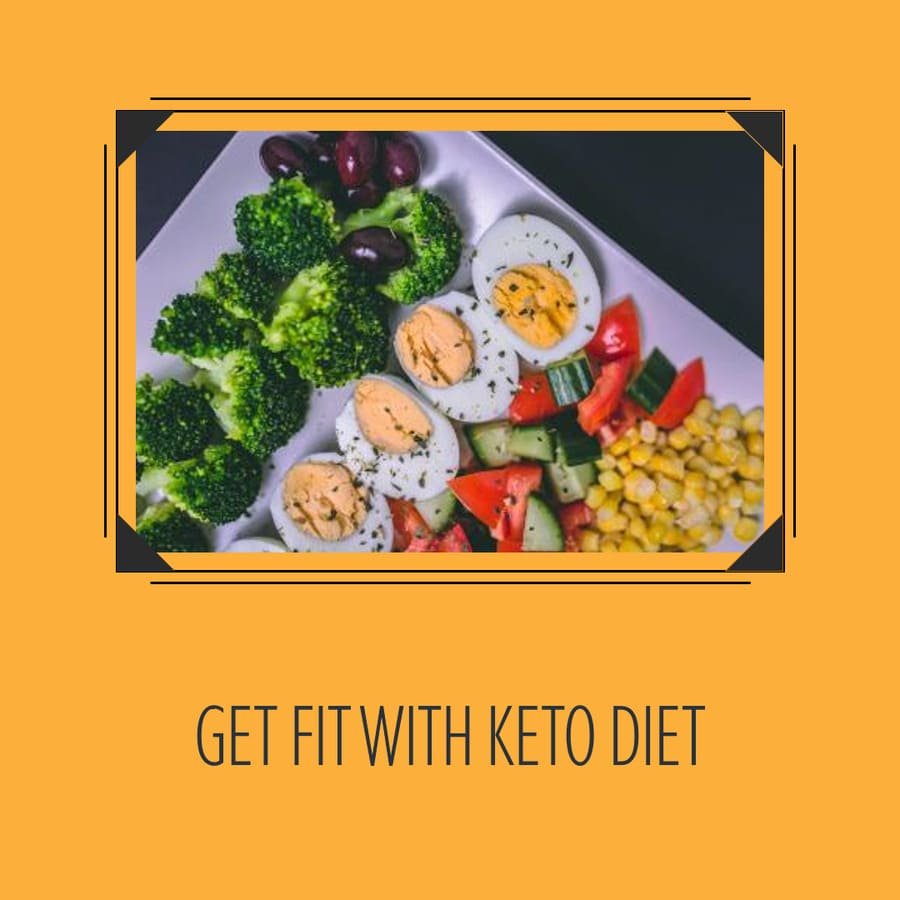
As a beginner on the keto diet, crafting delicious and satisfying lunches is essential for maintaining enthusiasm and adherence to your dietary goals. Let’s explore a variety of keto-friendly lunch options that not only tantalize your taste buds but also keep you on track with your low-carb, high-fat lifestyle.
- Salmon Salad Extravaganza:
- Ingredients: Grilled or baked salmon, mixed greens, cherry tomatoes, cucumber, avocado, and a keto-friendly dressing.
- Preparation: Combine the fresh ingredients in a bowl, top with grilled or baked salmon, and drizzle with a dressing made from olive oil, lemon juice, and herbs.
- Key Benefits: Salmon provides omega-3 fatty acids and protein, while the vegetables offer fiber and essential nutrients. The healthy fats from the salmon and dressing make this salad both nutritious and satisfying.
- Vegetable Stir-Fry Bliss:
- Ingredients: Low-carb vegetables (broccoli, bell peppers, zucchini, etc.), protein source (chicken, beef, or tofu), and a keto-friendly stir-fry sauce.
- Preparation: Stir-fry the chosen vegetables and protein source in a pan with a keto-friendly sauce made from ingredients like soy sauce, garlic, and ginger.
- Key Benefits: This versatile dish allows you to customize your lunch with a variety of vegetables and protein sources. The stir-fry technique preserves the nutritional integrity of the ingredients while offering a flavorful and filling meal.
- Egg Salad Stuffed Avocados:
- Ingredients: Hard-boiled eggs, mayonnaise, mustard, salt, pepper, and avocados.
- Preparation: Chop hard-boiled eggs and mix with mayonnaise, mustard, salt, and pepper. Scoop out the pit of an avocado and fill it with the egg salad.
- Key Benefits: Egg salad provides a protein-packed base, while avocados contribute healthy fats and a creamy texture. This no-cook option is convenient for busy days.
- Cauliflower Fried Rice Fiesta:
- Ingredients: Cauliflower rice, vegetables (peas, carrots, and green onions), protein source (shrimp, chicken, or tofu), and keto-friendly seasonings.
- Preparation: Sauté cauliflower rice with vegetables and your chosen protein in a pan, seasoning with keto-friendly options like soy sauce or coconut aminos.
- Key Benefits: Cauliflower rice serves as a low-carb alternative to traditional rice, and the vegetables provide a spectrum of vitamins and minerals. This dish mimics the flavors of fried rice while staying true to keto principles.
Lunch Success Strategies:
- Plan and prepare meals in advance to ensure convenient and keto-friendly options are readily available.
- Experiment with different protein sources and vegetables to keep your lunches exciting and varied.
- Pay attention to portion sizes and adjust them based on your individual macronutrient needs.
Dinner Indulgences
As the day transitions into evening, crafting a satisfying and keto-friendly dinner is essential for beginners on their journey to embrace the principles of low-carb, high-fat living.
- Grilled Chicken with Buttery Broccoli:
- Ingredients: Grilled chicken breasts or thighs, broccoli, butter, garlic, and keto-friendly seasonings.
- Preparation: Grill chicken to perfection and sauté broccoli in butter with garlic and seasonings. Serve the juicy grilled chicken alongside the buttery broccoli for a delightful and satiating meal.
- Key Benefits: Grilled chicken provides a lean protein source, while broccoli adds fiber and essential nutrients. The incorporation of butter enhances the flavor and contributes healthy fats.
- Zucchini Noodles with Pesto and Shrimp:
- Ingredients: Zucchini noodles, shrimp, homemade pesto (made with basil, pine nuts, Parmesan, garlic, and olive oil).
- Preparation: Sauté shrimp in olive oil and toss with zucchini noodles. Coat the dish with homemade pesto for a burst of flavor.
- Key Benefits: Zucchini noodles serve as a low-carb alternative to traditional pasta, while shrimp adds protein and healthy omega-3 fatty acids. Pesto contributes richness and depth to this indulgent dinner.
- Cauliflower Crust Pizza Extravaganza:
- Ingredients: Cauliflower crust, sugar-free pizza sauce, cheese, and assorted keto-friendly toppings (pepperoni, olives, spinach, etc.).
- Preparation: Top a cauliflower crust with sugar-free pizza sauce, cheese, and your favorite keto-friendly toppings. Bake until the crust is crispy and the cheese is melted.
- Key Benefits: Cauliflower crust provides a low-carb base, and the toppings offer a variety of textures and flavors. This pizza alternative satisfies cravings without compromising on your keto goals.
- Salmon with Lemon-Dill Sauce:
- Ingredients: Baked or pan-seared salmon, lemon-dill sauce (made with lemon juice, dill, Greek yogurt, and olive oil).
- Preparation: Cook salmon to perfection and drizzle with a refreshing lemon-dill sauce. Serve with a side of sautéed low-carb vegetables.
- Key Benefits: Salmon offers omega-3 fatty acids and protein, while the lemon-dill sauce adds zesty freshness. The combination creates a light and flavorful dinner option.
Dinner Success Strategies:
- Incorporate a variety of protein sources such as poultry, seafood, and lean meats to ensure a well-rounded diet.
- Experiment with different cooking methods and flavor profiles to keep your dinners exciting and satisfying.
- Pay attention to your body’s hunger cues and adjust portion sizes accordingly.

Overcoming Challenges
Dealing with Keto Flu
The initial stages of a keto diet may bring about the infamous keto flu. Discover strategies to overcome symptoms, ensuring a smooth transition into ketosis.
| Strategy | Explanation |
|---|---|
| Hydration is Key | – Why: Dehydration is common in the initial stages as the body releases excess fluids. – Strategy: Stay well-hydrated by drinking plenty of water; consider adding electrolytes or consuming broths. |
| Electrolyte Supplementation | – Why: Keto flu often involves electrolyte loss (sodium, potassium, magnesium) due to increased urine production. – Strategy: Increase intake of electrolyte-rich foods; consider electrolyte supplements. |
| Gradual Carb Reduction | – Why: Rapid carb reduction can intensify keto flu symptoms. – Strategy: Gradually reduce carb intake over a week or two to ease the body into ketosis. |
| Healthy Fat Intake | – Why: Adequate healthy fats support the body’s transition into ketosis. – Strategy: Include sources like avocados, olive oil, and nuts for sustained energy. |
| Protein Moderation | – Why: Excessive protein can hinder ketosis through gluconeogenesis. – Strategy: Moderate protein intake according to individual needs for a well-balanced keto diet. |
| Adequate Rest and Sleep | – Why: Fatigue and irritability are common keto flu symptoms. – Strategy: Ensure enough sleep during the initial stages to support the body’s adjustment to ketosis. |
| Consulting a Healthcare Professional | – Why: Persistent or severe symptoms may require professional advice. – Strategy: If symptoms persist, consult with a healthcare professional for personalized guidance. |
Social Situations and Keto
Embarking on a keto diet journey doesn’t mean you have to miss out on social events or compromise your dietary goals.
Whether you’re dining out with friends or attending gatherings, there are practical strategies to help you stay on track while enjoying the company of others.
Let’s explore some tips for beginners on the keto diet to navigate social situations successfully.
| Tip | Explanation |
|---|---|
| Plan Ahead | – Why: Anticipating challenges allows for better preparation. – Strategy: Check menus in advance, choose keto-friendly options, or bring a dish to share at gatherings. |
| Communication is Key | – Why: Informing others fosters understanding. – Strategy: Politely communicate dietary preferences in advance; most people are accommodating. |
| Focus on Protein and Vegetables | – Why: Prioritizing these helps make keto-friendly choices. – Strategy: Look for dishes centered around grilled meats or fish with non-starchy vegetables. |
| Be Mindful of Hidden Carbs | – Why: Some dishes may contain hidden carbohydrates. – Strategy: Be cautious of sauces or dressings with added sugars; inquire about ingredient details if needed. |
| Avoid Liquid Carbs | – Why: Alcoholic beverages and sugary drinks can add unexpected carbs. – Strategy: Choose low-carb alcoholic options; opt for water or unsweetened beverages. |
| BYO Keto Snacks | – Why: Ensures you have suitable options. – Strategy: Carry portable keto-friendly snacks like nuts or cheese to avoid temptations during unexpected delays. |
| Mindful Eating and Portion Control | – Why: Helps manage overall caloric intake. – Strategy: Enjoy meals slowly; be aware of portion sizes to prevent unintentional overeating. |
| Flexibility without Guilt | – Why: Occasional deviations are natural in social settings. – Strategy: Enjoy the social experience; return to your keto plan without guilt after occasional indulgences. |
| Dessert Alternatives | – Why: Traditional desserts are often high in carbs. – Strategy: Look for keto-friendly dessert options or satisfy sweet cravings with dark chocolate or berries. |
| Stay Hydrated | – Why: Aids digestion and helps control appetite. – Strategy: Drink plenty of water during social occasions; supports overall well-being and mindful food choices. |
Common Concerns and Misconceptions
Keto and Exercise
As beginners embark on their keto journey, one common area of concern is the integration of a fitness routine.
Misconceptions and myths surrounding the synergy between the ketogenic diet and exercise often arise.
In this segment, we’ll dispel these myths and provide insights into optimizing your fitness routine while adhering to the principles of the keto diet.
1. Myth: Carbohydrates are Essential for Exercise Energy:
- Reality: While carbohydrates are a primary energy source, the body can efficiently adapt to using fats for fuel, a state promoted by the keto diet.
- Insight: Engaging in low to moderate-intensity exercises allows the body to effectively utilize ketones and fats for energy. High-intensity workouts may benefit from targeted carb intake before the session.
2. Myth: Keto Dieters Can’t Build Muscle:
- Reality: Adequate protein intake on the keto diet supports muscle growth and repair.
- Insight: Prioritize protein-rich foods such as meat, fish, eggs, and dairy to maintain and build muscle. Resistance training remains a valuable component of a keto-friendly fitness routine.
3. Myth: Exercise Performance Suffers on Keto:
- Reality: Adaptation periods may temporarily impact performance, but many individuals report sustained energy levels once fully adapted.
- Insight: Stay hydrated, maintain electrolyte balance, and consider adjusting the timing of carb intake around workouts if needed for high-intensity sessions.
4. Myth: Keto Causes Muscle Cramps:
- Reality: Electrolyte imbalances, not ketosis, are typically responsible for muscle cramps.
- Insight: Ensure sufficient intake of sodium, potassium, and magnesium, especially during the initial stages of keto adaptation. This can help prevent muscle cramps.
5. Myth: Cardio is the Only Effective Exercise on Keto:
- Reality: Both cardio and resistance training have benefits on the keto diet.
- Insight: Incorporate a mix of aerobic and strength training exercises. This combination supports overall fitness, metabolic health, and can aid in weight management.
6. Myth: You Must Eat Carbs Post-Workout:
- Reality: Nutrient timing can vary based on individual goals and workout intensity.
- Insight: While some may benefit from post-workout carbs, especially after intense sessions, others may find their fitness goals align with a continued focus on keto-friendly meals.
7. Myth: Keto is Not Sustainable for Athletes:
- Reality: Many athletes successfully follow the keto diet while maintaining peak performance.
- Insight: Individual responses vary, and some athletes may thrive on keto, especially in endurance sports. Experimentation and personalized adjustments are key.
8. Myth: Protein Should be Restricted on Keto:
- Reality: Protein is a crucial macronutrient for muscle maintenance and repair.
- Insight: Consume an adequate amount of protein, especially if engaged in regular exercise. Protein needs can vary, but restriction is not necessary for most individuals.
Sustainability of the Keto Lifestyle
As individuals embark on the journey of adopting a keto lifestyle, questions regarding its long-term sustainability often arise.
In this segment, we will address common concerns and misconceptions, providing a nuanced perspective on maintaining a sustainable and balanced approach to wellness for beginners on the Keto Diet.
1. Misconception: Keto is a Short-Term Solution Only:
- Reality: While some individuals initially adopt keto for weight loss, it can be a long-term lifestyle choice for health and wellness.
- Insight: Keto is not just a quick fix. Many people find sustainable success by integrating it into their long-term lifestyle, enjoying its benefits beyond initial weight loss.
2. Concern: Nutrient Deficiency on Keto:
- Reality: A well-planned keto diet can be nutritionally balanced and provide essential nutrients.
- Insight: Emphasize a diverse range of keto-friendly foods, including vegetables, nuts, seeds, and low-carb fruits, to ensure you meet your nutritional needs.
3. Misconception: Lack of Dietary Diversity on Keto:
- Reality: Keto encourages a variety of nutrient-dense foods within its framework.
- Insight: Explore diverse sources of healthy fats, proteins, and low-carb vegetables to maintain a rich and varied diet. Incorporating different food options enhances sustainability.
4. Concern: Social Challenges and Keto:
- Reality: Social situations can be navigated successfully on keto with proper planning.
- Insight: Plan ahead for gatherings, communicate dietary preferences, and bring keto-friendly options to share. This fosters social inclusion without compromising on your keto goals.
5. Misconception: Unsustainability Due to Strict Rules:
- Reality: While keto has guidelines, there is flexibility within the framework.
- Insight: Experiment with recipes, try different low-carb vegetables, and enjoy occasional treats within your carb limit. This flexibility promotes long-term adherence.
6. Concern: Impact on Athletic Performance:
- Reality: Many athletes thrive on keto, but individual responses vary.
- Insight: Fine-tune your nutrition based on personal performance goals. Some may benefit from targeted carb intake around workouts, while others find sustained energy on a low-carb regimen.
7. Misconception: Difficulty in Maintaining Ketosis:
- Reality: With mindful food choices, maintaining ketosis becomes second nature for many.
- Insight: Prioritize whole foods, monitor carb intake, and stay hydrated. Over time, individuals often develop an intuitive sense of what keeps them in ketosis.
8. Concern: Health Implications of High Fat Intake:
- Reality: The keto diet emphasizes healthy fats, and not all fats are created equal.
- Insight: Choose sources of monounsaturated and polyunsaturated fats, such as avocados and olive oil. Balancing fat intake with nutrient-dense foods contributes to overall health.
FAQs
How many eggs can I eat on keto?
Eggs are a keto-friendly food and can be a staple in your diet. There’s no strict limit, but most people can comfortably consume 3 to 6 eggs per day. Adjust based on your individual protein needs and overall calorie intake.
What are the top 10 keto foods?
The top 10 keto foods include:
Avocado: Rich in healthy fats and fiber.
Eggs:Excellent source of protein and essential nutrients.
Leafy Greens: Low in carbs, high in fiber, and rich in vitamins.
Meat and Poultry: High-quality protein with minimal carbs.
Fish: Fatty fish like salmon provide omega-3 fatty acids.
Cheese: High-fat, low-carb dairy option.
Nuts and Seeds: Good sources of healthy fats and protein.
Olive Oil: A versatile and heart-healthy fat.
Coconut Oil: Ideal for cooking and adding healthy fats.
Berries: Limited in carbs, rich in antioxidants and fiber.
What are the 9 rules of keto?
Limit Carbs: Aim for 20-50 grams of net carbs per day.
Prioritize Healthy Fats: Include sources like avocados, olive oil, and nuts.
Moderate Protein: Ensure a moderate intake of protein for muscle maintenance.
Stay Hydrated: Drink plenty of water, especially in the initial stages.
Electrolytes Matter: Replenish sodium, potassium, and magnesium to avoid imbalances.
Plan Meals: Prepare keto-friendly meals in advance to avoid temptations.
Track Macros: Monitor your carb, fat, and protein intake for better control.
Be Patient with Adaptation: Allow time for your body to adapt to ketosis.
Individualize Your Approach: Keto is not one-size-fits-all; tailor it to your preferences and needs.
Conclusion
Embarking on a keto diet plan for beginners opens doors to a healthier and more energetic life. Armed with knowledge, practical tips, and expert insights, you’re ready to embrace the transformative journey towards ketosis. Start your keto adventure today!