

Table of Contents
Introduction
In the pursuit of a successful and fulfilling life, the habits we cultivate play a pivotal role. Developing the best habits to have not only shapes our daily routines but influences our overall well-being. This article delves into essential habits that, when embraced, can significantly impact your life for the better.
The Best Habits to Have for a Productive Morning
6 Habit To Have In Your Morning
- Embrace Early Rising: One of the most impactful habits for a productive morning is waking up early. Rising with the sun allows you to greet the day with a sense of calmness and clarity. Early risers often find themselves more focused and proactive, giving them a head start on their daily tasks. Begin by setting a consistent wake-up time that aligns with your natural circadian rhythm, gradually adjusting it earlier if needed.
- Mindful Morning Routine: Craft a mindful morning routine that nurtures both your mind and body. This could include activities such as meditation, stretching, or journaling. Taking a few moments for self-reflection can help you set positive intentions for the day ahead and reduce stress. By incorporating these practices into your morning routine, you’ll create a peaceful and centered mindset that sets the tone for productivity.
- Hydrate and Nourish: Start your day by rehydrating your body. After a night’s sleep, your body needs water to kickstart its functions. Consider drinking a glass of water as soon as you wake up to rehydrate and boost your metabolism. Additionally, fuel your body with a nutritious breakfast that includes a balance of protein, healthy fats, and carbohydrates. A well-nourished body provides the energy needed for sustained focus and productivity.
- Prioritize Tasks: Take a few minutes each morning to prioritize your tasks for the day. Identify the most critical and time-sensitive activities and create a to-do list. This simple act of organization helps you approach your day with purpose and clarity, preventing overwhelm. Tackling your most important tasks first can lead to a sense of accomplishment and motivation to tackle the rest of your agenda.
- Exercise for Energy: Incorporate some form of exercise into your morning routine to boost your energy levels and enhance cognitive function. Whether it’s a brisk walk, a quick home workout, or a visit to the gym, physical activity stimulates the release of endorphins, promoting a positive mindset. Exercise also increases blood flow to the brain, sharpening your focus and preparing you for the day ahead.
- Digital Detox: Avoid diving into your emails or social media first thing in the morning. Give yourself a technology-free window to focus on yourself before being bombarded by external stimuli. This practice helps you maintain control over your time and reduces the risk of distractions that can derail your morning productivity.
The Best Habits to Have for a Healthy Lifestyle
Regular Exercise Regimen
- Variety in Exercise: Diversify your exercise routine to keep things interesting and engage different muscle groups. Whether it’s cardio, strength training, yoga, or a combination of activities, variety not only enhances physical fitness but also prevents boredom. Choose activities that you enjoy, making it more likely that you’ll stick with your exercise routine in the long run.
- Consistency is Key: Make physical activity a consistent part of your routine. Set aside dedicated time each day or several times a week for exercise, treating it as a non-negotiable appointment with yourself. Consistency builds habits, and habits are the foundation of a healthy lifestyle. Aim for at least 150 minutes of moderate-intensity exercise per week, as recommended by health experts.
- Set Realistic Goals: Establish achievable and realistic fitness goals to stay motivated. Whether it’s completing a certain number of workouts per week, increasing your daily step count, or reaching a specific fitness milestone, having tangible goals provides direction and purpose to your exercise routine. Celebrate your achievements, no matter how small, and use them as fuel to propel you forward.
- Mind-Body Connection: Incorporate activities that promote a strong mind-body connection, such as yoga or mindfulness practices. These activities not only contribute to physical flexibility and strength but also enhance mental clarity and reduce stress. Connecting with your body through mindful movement fosters a holistic approach to health and well-being.
- Listen to Your Body: Pay attention to your body’s signals and adjust your exercise routine accordingly. Rest and recovery are integral components of a healthy lifestyle. Pushing yourself too hard without adequate rest can lead to burnout and increased risk of injury. Prioritize sleep, and consider incorporating rest days into your weekly routine to allow your body to recharge.
- Socialize Through Fitness: Combine socializing with physical activity by involving friends, family, or joining group fitness classes. Having a workout buddy not only makes exercise more enjoyable but also provides mutual motivation and accountability. The social aspect of fitness can enhance your commitment to a healthy lifestyle and create a supportive community.
- Make Movement a Daily Habit: Incorporate movement into your daily life beyond dedicated workout sessions. Take the stairs, walk or bike instead of driving for short distances, or engage in active hobbies. These small, consistent movements contribute to overall physical health and can be more sustainable in the long term.
The Best Habits to Have For a Balanced Nutrition
- Mindful Eating Practices: Mindful eating involves paying full attention to the sensory experience of eating, savoring each bite, and being aware of hunger and fullness cues. This practice helps prevent overeating, promotes a healthier relationship with food, and encourages a greater appreciation for the nourishment each meal provides. Take time to enjoy your meals without distractions, savoring the flavors and textures of the food.
- Incorporate Colorful Fruits and Vegetables: Aim to fill your plate with a rainbow of fruits and vegetables, as different colors often indicate a diverse range of vitamins, minerals, and antioxidants. These nutrients support various bodily functions, including immune function, skin health, and overall disease prevention. Incorporate a mix of leafy greens, berries, citrus fruits, and other colorful produce into your daily meals.
- Lean Proteins for Muscle Health: Include lean sources of protein in your diet to support muscle health, repair, and growth. Opt for options like poultry, fish, legumes, tofu, and low-fat dairy products. Protein is essential for maintaining a healthy body composition, regulating metabolism, and supporting the immune system. Distribute your protein intake throughout the day to ensure a steady supply of amino acids.
- Whole Grains for Sustained Energy: Choose whole grains over refined grains to provide your body with sustained energy and a wealth of nutrients. Whole grains, such as quinoa, brown rice, oats, and whole wheat, contain fiber, vitamins, and minerals that contribute to digestive health, heart health, and overall well-being. These complex carbohydrates release energy slowly, helping you stay energized throughout the day.
- Healthy Fats in Moderation: Incorporate sources of healthy fats into your diet, such as avocados, nuts, seeds, and olive oil. These fats are crucial for brain function, hormone production, and the absorption of fat-soluble vitamins. While fats are an essential part of a balanced diet, moderation is key. Be mindful of portion sizes to maintain a healthy balance.
- Hydration as a Fundamental Habit: Stay well-hydrated by making water your beverage of choice throughout the day. Water is vital for digestion, nutrient absorption, temperature regulation, and overall cellular function. Carry a reusable water bottle and sip water regularly, especially before meals. Adequate hydration supports energy levels, cognitive function, and the elimination of toxins from the body.
- Plan and Prepare Nutrient-Rich Meals: Take time to plan your meals and prepare nutrient-dense options in advance. Having healthy meals readily available reduces the temptation to opt for less nutritious alternatives. Plan your weekly menu, create a shopping list, and prepare ingredients to streamline the process of making wholesome meals. This habit contributes to consistency in maintaining a balanced diet.

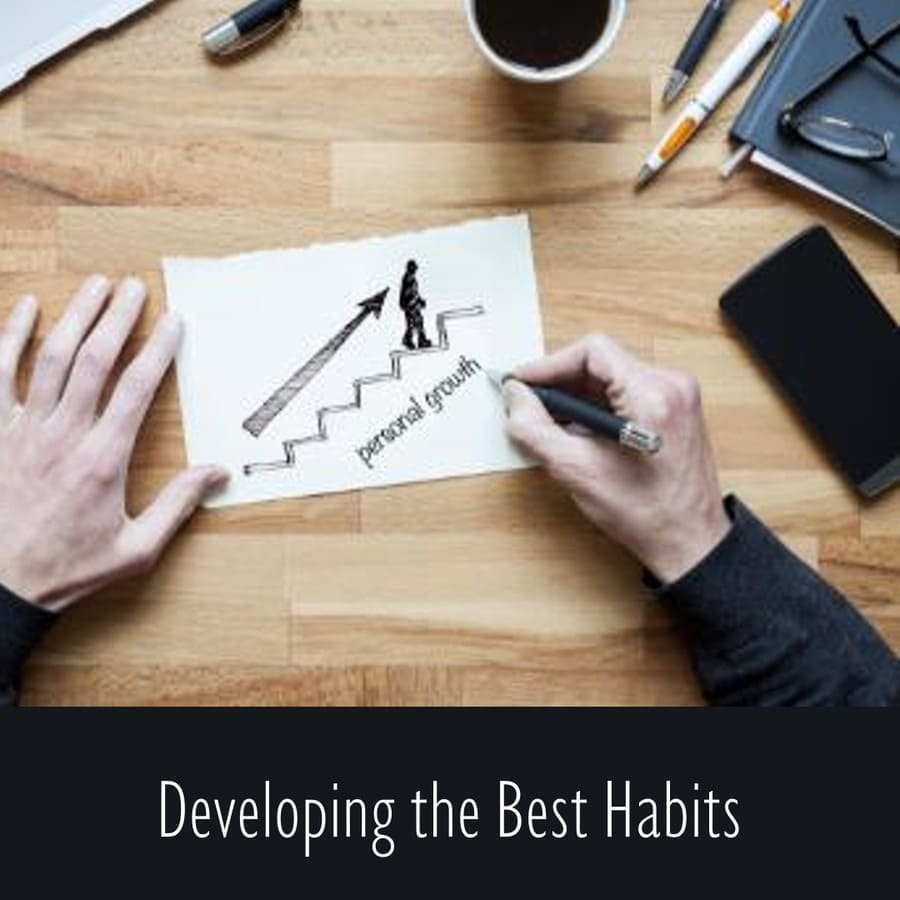
The Best Habits to Have for Personal Growth
Continuous Learning
Drawing inspiration from James Clear’s impactful book, “Atomic Habits”, underscores the significance of continuous learning in the journey of personal growth.
Clear’s insightful exploration of habit formation elucidates how tiny, consistent actions compound over time, leading to remarkable transformations.
Applying the principles from “Atomic Habits” to your daily quest for knowledge reinforces the idea that small, incremental learning habits can have a profound impact on your personal development.
The book encourages the cultivation of habits that align with your aspirations, emphasizing the importance of refining your approach over time.
Incorporating the lessons from “Atomic Habits” into your commitment to continuous learning ensures that each bit of knowledge absorbed becomes a building block for lasting self-improvement.
By embracing the philosophy of small changes leading to significant results, you not only enhance your learning journey but also empower yourself to make positive strides towards personal growth and success.
Goal Setting
Goal setting is a fundamental habit embraced by those on the path to personal growth and success.
By articulating clear and achievable objectives, individuals provide themselves with a roadmap for progress. The process of breaking down these goals into manageable steps transforms aspirations into actionable plans, making the journey toward personal growth more attainable.
Regularly evaluating and adjusting goals is crucial for maintaining relevance and ensuring continuous progress. This habit encourages adaptability and allows for refinement as circumstances evolve.
Setting short-term and long-term goals fosters a sense of purpose and direction, providing motivation to overcome challenges.
Additionally, the act of accomplishing smaller milestones within a larger objective provides a sense of achievement, fueling momentum and reinforcing the belief in one’s capacity for growth.
In essence, cultivating the habit of goal setting not only defines the path to personal growth but also empowers individuals to navigate their journey with intention and resilience.
Time Management
| Habit | Description |
|---|---|
| Effective Time Management | Effective time management is a fundamental habit for success. Prioritize tasks, set deadlines, and allocate time efficiently to maximize productivity and reduce stress. |
| Prioritize Tasks with Purpose | Begin by prioritizing tasks based on their importance and alignment with overarching goals. Focus on high-priority activities to ensure that time and energy are invested where they matter most. |
| Set Realistic Deadlines | Establish realistic deadlines for goals and tasks to create a sense of urgency and accountability. Striking a balance between challenging deadlines and achievable outcomes encourages steady progress. |
| Allocate Time Strategically | Break your day into manageable blocks and assign specific activities to each. Use techniques like the Pomodoro Technique or time blocking to enhance concentration and maintain productivity throughout the day. |
| Eliminate Time Wasters | Identify and eliminate time-wasting activities, such as excessive social media use or unproductive conversations, to reclaim valuable time for activities that contribute to personal growth and success. |
| Regular Review and Adjustment | Consistently review time management strategies, identify patterns, and be open to adjustments. Stay agile and responsive to changing circumstances, refining your approach for optimal efficiency. |
| Create a Structured Routine | Craft a structured daily routine to establish order and predictability. Automate certain tasks to reduce decision fatigue and create an environment conducive to both productivity and a healthy work-life balance. |
| Embrace the Power of No | Learn to say no to non-essential tasks or obligations, recognizing your limits. Saying no protects your time for activities aligned with personal growth objectives and contributes to effective time management. |
The Best Habits to Have: Building Strong Relationships
Active Listening
- Give Your Full Attention: Active listening begins with the commitment to giving your full attention to the speaker. In our fast-paced world, distractions are abundant, but choosing to be present in the moment demonstrates respect and sincerity. Put away electronic devices, maintain eye contact, and show that the conversation is a priority. This simple act creates a conducive environment for open and honest communication.
- Understand with Empathy: Beyond merely hearing words, active listening involves understanding the speaker’s perspective with empathy. Put yourself in their shoes, acknowledging their emotions and validating their experiences. By demonstrating genuine empathy, you build a sense of trust and connection, fostering an environment where individuals feel heard and valued.
- Respond Thoughtfully: Thoughtful responses are the natural outcome of active listening. Take the time to process what the speaker has shared before formulating your response. Responding thoughtfully not only shows that you’ve genuinely absorbed the information but also contributes to constructive and meaningful dialogue. Avoid interrupting and allow the speaker to express themselves fully before offering your insights.
- Encourage Open Communication: Active listening creates an atmosphere conducive to open communication. When others sense that their thoughts and feelings are being acknowledged and respected, they are more likely to express themselves openly. This encourages a reciprocal dynamic where all parties feel comfortable sharing their perspectives, leading to deeper and more authentic connections.
- Practice Patience: Patience is a virtue in the realm of active listening. Complex emotions and nuanced thoughts may require time to be fully expressed. By practicing patience, you convey a willingness to invest the time necessary for meaningful communication. This patience contributes to a sense of safety and understanding within the relationship.
- Avoid Judgments and Assumptions: Active listening necessitates a non-judgmental mindset. Avoid making assumptions or forming premature judgments about the speaker’s words or intentions. Instead, approach the conversation with an open mind, allowing for a more accurate understanding of the speaker’s perspective and fostering an atmosphere of trust and acceptance.

Expressing Gratitude
- Daily Gratitude Ritual: Cultivating the habit of expressing gratitude begins with establishing a daily ritual. Take a few moments each day to reflect on the positive aspects of your life and the people around you. This simple practice serves as a powerful reminder of the abundance that exists even in the midst of life’s challenges, creating a mindset that is more attuned to appreciation.
- Enhancing Overall Well-being: Expressing gratitude has profound effects on overall well-being. Numerous studies have shown that regularly acknowledging and appreciating positive aspects of life can lead to increased happiness, reduced stress, and improved mental health. As individuals cultivate gratitude, they bring a positive energy to their relationships, creating an uplifting environment that contributes to the emotional health of everyone involved.
- Strengthening Interpersonal Connections: Gratitude is a potent catalyst for strengthening interpersonal connections. When you express appreciation for the people in your life, whether through words, gestures, or small acts of kindness, you deepen the bonds you share. Others feel valued and acknowledged, fostering a sense of belonging and mutual support within the relationship.
- Cultivating Positivity: The habit of gratitude actively contributes to cultivating a positive mindset. By focusing on what you are thankful for, you shift your perspective towards the positive aspects of life. This positive outlook not only enhances your personal demeanor but also influences the way you engage with others, creating a ripple effect of optimism within your relationships.
- Building a Culture of Appreciation: Expressing gratitude contributes to building a culture of appreciation within your relationships. As you consistently acknowledge and celebrate the strengths and contributions of those around you, you create an environment where everyone feels seen and valued. This culture of appreciation becomes a foundation for trust, collaboration, and mutual support.
- Navigating Challenges with Resilience: Gratitude serves as a resilient force during challenging times. When facing difficulties, individuals with a habit of expressing gratitude often find solace in recognizing the silver linings and the support they receive from others. This resilience becomes a shared strength within relationships, fostering unity and fortitude in the face of adversity.
- Mindful Presence in Relationships: The habit of gratitude encourages mindful presence in relationships. By actively appreciating the positive qualities of others, you cultivate a deeper awareness of their unique contributions and the joy they bring to your life. This mindfulness enhances the quality of your interactions, creating richer and more fulfilling connections.
Reviewing The Book “Atomic Habits”
“Atomic Habits” by James Clear is a groundbreaking exploration into the transformative power of small habits, offering valuable insights for personal development.
Clear brilliantly elucidates the science behind habit formation, emphasizing the compounding impact of marginal gains over time.
The book provides actionable strategies for breaking bad habits and establishing positive ones, making it an invaluable guide for those seeking lasting change.
The strength of “Atomic Habits” lies in its practical approach, backed by real-world examples and scientific research.
Clear’s engaging writing style simplifies complex concepts, ensuring accessibility for a wide range of readers. However, it’s essential to note that some readers may find the content somewhat repetitive, as the author reinforces key principles throughout the book.
Nevertheless, this repetition serves a pedagogical purpose, reinforcing the importance of incremental changes.
For a deeper dive into habit formation and personal growth, “Atomic Habits” proves to be an indispensable resource.

FAQs
What are the 10 healthy habits?
Regular Exercise: Engage in physical activity for at least 150 minutes per week.
Balanced Nutrition: Consume a variety of fruits, vegetables, lean proteins, and whole grains.
Adequate Hydration: Drink sufficient water throughout the day to support bodily functions.
Adequate Sleep: Aim for 7-9 hours of quality sleep each night.
Stress Management: Practice stress-reducing activities such as meditation or deep breathing.
Mindful Eating: Pay attention to what and how you eat, fostering a healthy relationship with food.
Regular Health Check-ups: Schedule routine check-ups to monitor and maintain your health.
Positive Social Connections: Foster meaningful relationships for emotional well-being.
Mindfulness and Meditation: Incorporate mindfulness practices to promote mental clarity and calmness.
Limiting Harmful Habits: Minimize or eliminate habits such as smoking and excessive alcohol consumption.
What is the best daily habit?
The “best” daily habit can vary depending on individual goals and priorities. However, a universally beneficial habit is practicing gratitude. Taking a few moments each day to reflect on and express appreciation for positive aspects of your life can enhance overall well-being, foster positive relationships, and contribute to a more optimistic mindset.
What is the 1% a day habit?
The 1% a day habit refers to the concept of making small, incremental improvements daily. By focusing on a 1% improvement in various aspects of life—whether it’s personal development, fitness, or skills—these small changes accumulate over time, leading to significant positive outcomes in the long run.
What are the top 5 healthy habits?
Regular Exercise:
Engage in at least 150 minutes of moderate-intensity exercise per week.
Incorporate a mix of cardiovascular, strength training, and flexibility exercises.
Balanced Nutrition:
Consume a diverse and balanced diet rich in fruits, vegetables, whole grains, lean proteins, and healthy fats.
Pay attention to portion sizes and limit the intake of processed foods and added sugars.
Adequate Sleep:
Aim for 7-9 hours of quality sleep each night.
Establish a consistent sleep schedule and create a conducive sleep environment.
Stress Management:
Practice stress-reducing activities such as mindfulness, meditation, or deep breathing exercises.
Establish healthy boundaries and incorporate relaxation techniques into your daily routine.
Hydration:
Drink an adequate amount of water throughout the day.
Carry a reusable water bottle and be mindful of staying hydrated, especially during physical activity.
Conclusion
Incorporating the best habits into your daily life is a transformative journey towards success and well-being. By embracing practices that nurture your body, mind, and relationships, you pave the way for a more fulfilling and purposeful existence.